Latest

Winter Release: Commerce at the Speed of AI

Learn More
Akeneo-Logo Akeneo-Logo

Backed by Data: How PIM and DAM Deliver Real Growth

Technology

Backed by Data: How PIM and DAM Deliver Real Growth

Explore why PIM and DAM solutions can be a strategic investment that drives real results. From boosting digital confidence and enabling multichannel syndication to creating consistent, compelling product experiences, discover how these systems work together to help businesses scale smarter and grow faster.

Despite what ‘hypebeasts’ and overenthusiastic tech gurus would have you believe, modern growth doesn’t just depend on hustle or even great products; it hinges on how well you manage and deliver information. With powerful tools like Product Information Management (PIM) and Digital Asset Management (DAM), companies can unlock new levels of efficiency and consistency while delivering top-tier experiences for customers. From global brands to fast-scaling startups, those embracing these systems and ensuring that they work well together are setting themselves up for faster growth.

But what exactly do these powerful solutions do, and how are businesses achieving rapid growth through their implementation? The 2025 Digital Commerce Benchmark Study,  created in partnership with Ntara and Bynder, offers fresh insights into how PIM and DAM together are driving success across industries, along with other factors.

Let’s take a sneak peek into the report to see what the data says about the impact of these technologies, and why investing in them might be the smartest move your business makes this year!

What’s PIM and DAM?

Before diving into how these systems fuel business growth, it’s important to understand what they actually do.

Product Information Management (PIM) is a software solution that helps businesses store, organize, manage, enrich, and distribute product data across all sales and marketing channels. It serves as the single source of truth for product information, ensuring accuracy, consistency, and efficiency at every touchpoint.

Digital Asset Management, on the other hand, refers to the system and processes used to centralize, manage, and deliver digital assets such as images, videos, graphics, and documents across teams and throughout the product lifecycle. DAM ensures that everyone has access to the right content, in the right format, at the right time.

Better Results Start with Customer Centricity

89% of businesses say that improving the customer experience is their top priority when it comes to how they bring products to market. This customer-first mindset is echoed in how companies are choosing and upgrading their technology: PIM, DAM, ERP, CMS, and CRM, and eCommerce systems are among the most frequently planned investments, especially in sectors like consumer brands and industrial manufacturing.

These investments help to streamline internal operations, and they help these customer-focused organizations create more seamless and personalized experiences for buyers. Businesses that pair systems like PIM and DAM tend to lean more toward customer-centric thinking, making tech decisions that prioritize the end-user experience rather than just internal cost savings.

And it’s paying off: despite economic uncertainty, 41% of businesses reported strong performance over the past year, and 51% expect growth in 2025. The companies seeing the most traction are those that understand that great product experiences start with customer needs, not internal processes.

Maturity Isn’t Just About Age—It’s About Smart Tech Moves

Digital maturity is the result of deliberate investment in the right systems, strategies, and tools. Even companies with relatively high digital maturity often hesitate to call themselves “ahead” – a clear sign that keeping up with shifting buyer expectations and evolving channel demands requires continuous investment.

But there’s a clear pattern: as digital maturity increases, so does competitive confidence. Among companies that rated themselves at the highest level of digital maturity, 100% reported confidence in their ability to compete – none felt behind.

One of the strongest signals of smart digital investment? Companies with both PIM and DAM in place report 36% higher digital maturity and 39% greater confidence compared to those without. And that confidence translates into action: these businesses are better equipped to launch products faster, scale across channels, and deliver exceptional customer experiences.

The 2025 Digital Commerce Benchmarking Study

The ROI Opportunity You Can’t Afford to Miss

When PIM and DAM are implemented thoughtfully, they power consistent omnichannel experiences, and that’s where real Return on Investment (ROI) begins.

While many businesses see returns within two to three years, up to 40% remain unsure if their investment has paid off, often due to internal hurdles like a lack of alignment or unclear processes. But for those that get it right, the payoff is clear: companies are 33% more likely to report ROI from PIM, and 8% more likely from DAM, when backed by governance and training.

In the end, it’s not always about the software, it’s about how you use it. Companies that align their platforms with clear business goals, invest in change management, and scale with intention are the ones turning tech investments into long-term growth!

Wherever Your Customers Are, Your Content Can Be Too

When PIM and DAM are integrated, they become a powerful engine for multichannel syndication, automatically delivering product data and digital assets from a central source to a wide range of channels. This seamless distribution ensures that customers encounter accurate and consistent content no matter where they shop, from eCommerce sites to distributor platforms.

For many companies, this capability is a key driver of ROI. As one respondent put it, “Ecommerce websites pull product data from PIM—which needs product images. So very critical for syndication.” Another highlighted the impact even more directly: “Complete syndication files for our eCommerce and distributors” was the biggest factor in achieving meaningful business outcomes. 

Why It All Adds Up to Growth

In today’s digital landscape, success doesn’t just happen by accident, determination, or grit. It’s driven by having the right strategy and the right tools, and the companies that are investing in PIM and DAM are laying the groundwork for consistent, customer-centric experiences across every channel.

Whether it’s organizing chaos or launching content faster, PIM and DAM clear the runway for growth. With the right people and processes behind them, these systems turn complexity into clarity and content into conversion. 

Ready to  learn more about how investing in both PIM and DAM can revolutionize your business and set yourself up for success in a customer-centric market? Check out the 2025 Digital Commerce Benchmark Study for more information and insights. 

2025 Digital Commerce Benchmark Study

Discover how brands and manufacturers are advancing their omnichannel strategies, investing in PIM and DAM technologies, and prioritizing customer experience to drive digital growth and ROI.

Venus Kamara, Content Marketing Intern

Akeneo

How PXM Champions are Utilizing Akeneo to Expand Faster In 2025

Akeneo News

How PXM Champions are Utilizing Akeneo to Expand Faster In 2025

Explore how recipients of the Unlock 2025 Expansion Award overcame product data challenges and unlocked new growth opportunities with Akeneo. By creating a centralized source of truth, automating workflows, integrating across systems, and enabling multilingual content, these companies accelerated time-to-market, improved customer experiences, and achieved global expansion.

Each year, the Akeneo Expansion Award honors visionary customers leveraging Akeneo Product Cloud to fuel remarkable growth and transformation. The 2025 recipients, including Sealed Air Corporation, FELCO, and Digital Factory InVivo, are no exception. These leading brands show how a strategic approach to Product Information Management (PIM) solves many existing data management problems and can unlock global markets and unparalleled efficiency. New channels, fresh audiences, and complex challenges become opportunities when product data is put to work.

Despite operating in diverse industries, these companies faced remarkably similar hurdles before implementing Akeneo. But today, they offer valuable insights for any business looking to turn product data into real growth.

Growing Pains: The Pre-Akeneo Struggle

Before Akeneo, our award winners were stuck with product data systems that just couldn’t keep up with their ambitions. Their biggest hurdles included:

  • Inefficient manual processes: Managing extensive product portfolios relied heavily on manual methods and spreadsheets, making processes time-consuming as the companies scaled. Launching a new product could take a month – not exactly agile.
  • Siloed and inconsistent data: Data was often managed in separate systems, leading to siloed information and difficulty providing consistent product information across channels. Importing data from disparate sources led to unreliable product data.
  • Limited accessibility and collaboration: Existing systems just didn’t cut it—teams struggled to access or update product info quickly, and manual data sharing made it tough to keep channel partners in the loop, let alone support them efficiently. Dependence on technical teams for data management and integration slowed things down and left little room for business users to take the lead.
  • Difficulty scaling and expanding: Outdated legacy systems lacked the flexibility needed for modern eCommerce. Expanding globally was difficult, customizing content for different channels was slow, and keeping up with new regulations just piled on more complexity.
  • Risk of losing institutional knowledge: For companies like Sealed Air, key product knowledge lived in the heads of seasoned team members. Without a system to capture it, that expertise was at risk of being erased.

These challenges stood in the way of global growth and kept brands from delivering the consistent customer experience today’s shoppers expect.


The Power of Akeneo’s Product Cloud

Akeneo Product Cloud gave these companies the springboard they needed to turn growing pains into growth wins! And while each brand’s journey was unique, several common themes emerged in how they leveraged Akeneo, including:

  1. Creating a single source of truth: The first major win? Bringing scattered product data together to create a single, centralized product data repository. This shift eliminated the need for manual spreadsheets and ensured data reliability and consistency across all channels. As Digital Factory InVivo noted, Akeneo made managing their large, complex catalog a whole lot simpler by providing them “with a centralized and structured platform”.
  2. Automation in action: All three winners leveraged automation to improve their workflows significantly. FELCO cut product launch time from one month to just 24 hours by automating publishing, and Digital Factory InVivo sped up catalog integration and updates, reducing ticket processing time from over a day to just a few hours. In fact, Digital Factory InVivo saw efficiency gains overall equal to 1.5 full-time employees in just three weeks.Thanks to Akeneo’s rule-based automation and smart features, AI-driven product descriptions streamlined processes and freed up valuable resources for all of our PXM Champions.
  3. Seamless integration and data syndication: Akeneo’s composable infrastructure also played a key role in these transformations, making it easy to plug into the rest of the tech stack via APIs. The winners connected Akeneo with everything from ERP systems to DAM tools like Cloudinary, ETL tools like Kiboko, and eCommerce platforms like Shopify. This enabled smooth data sync, streamlined syndication, and stronger collaboration with channel partners. FELCO even retired its legacy GS1 system by managing compliant data directly in Akeneo using reference entities – a major win for both efficiency and flexibility.
  4. Enabling global reach with multilingual capabilities: For brands expanding across borders, Akeneo’s multilingual and localization data capabilities made a big difference. FELCO tapped into native genAI tools to translate product descriptions with local relevance, and scaled from 10 to 170 markets in under six months, while new product launches across the board accelerated from months to just days or hours. Digital Factory InVivo tailored catalogs and enriched content to meet customer expectations and stay compliant with country-specific regulations.
  5. Empowering teams with improved data quality: Akeneo gave business teams the reins with a structure that’s built for autonomy, not bottlenecks. With robust control and validation tools, teams could manage product data confidently, leading to stronger consistency, better SEO, and cleaner content all around. Digital Factory InVivo saw a significant expansion in attribute management after adopting Akeneo, growing from 40 to 650 attributes, while FELCO’s channel partners gained easier access to enriched product data, strengthening relationships and boosting sales effectiveness.
  6. Transforming for the future: With the right strategy and the right technology in place, these PXM Champions are setting themselves up for long-term success. Sealed Air used AI to preserve decades of product knowledge, while FELCO enabled the online sale of spare parts and Digital Factory InVivo launched new eCommerce platforms and digitized partner catalogs, creating an omnichannel platform that connects their entire value chain.

Our journey with Akeneo PIM exemplifies true expansion – from a single-purpose tool to a transformative force that’s reshaping how we manage knowledge, serve customers, and prepare for the future of our industry.

The Head of PIM/DAM Operations

Sealed Air

Ready to Scale Smarter?

By centralizing and structuring product data, automating workflows, integrating seamlessly with their tech stack, and enabling multilingual capabilities, these PXM Champions overcame major challenges and unlocked entirely new opportunities.

Feeling inspired? Akeneo Product Cloud provides the tools and flexibility to streamline product data management, accelerate time-to-market, empower your teams, and grow across channels and global markets. Discover how you can transform and position your business for future growth. 

Are you ready to take the next step?

Our Akeneo Experts are here to answer all the questions you might have about our products and help you to move forward on your PX journey.


Venus Kamara, Content Marketing Intern

Akeneo

Dispelling 5 Common Myths About AI

Artificial Intelligence

Dispelling 5 Common Myths About AI

The noise around generative AI is impossible to ignore, but it can be hard to decipher what’s real and what’s a buzzy LinkedIn headline. In this article, we separate fact from fiction by dispelling the five most common myths we’ve heard about AI.

From revolutionizing the customer experience to optimizing supply chains to replacing entire job functions and departments, the buzz around generative AI paints a tantalizing picture of unprecedented efficiency and shopping journeys powered by robots.

And while there’s a lot of really exciting ways your organization can take advantage of AI today, we’ve seen a lot of misinformation floating around about the impact AI will have on the retail industry. So, we decided to separate fact from fiction by dispelling the five most common myths we’ve heard about the most talked about technology of 2025, AI.

Myth 1: AI is a magical, fix-all solution

It’s tempting to view AI as a magic wand that can instantly resolve any business challenge we point it to. In reality, the power of AI lies in its capability to be used to address specific pain points identified by an organization as part of a larger strategy.

For instance, in the fashion industry, it can be nearly impossible to not only predict upcoming trends but then also react quickly enough to take full advantage of the market shift. A well-trained machine learning algorithm can ingest billions of data points from social media, user reviews, and market data in a matter of minutes and generate intelligent recommendations for patterns, styles, and colors. Some AI art generators could even assist in creating mock-ups of these products, or visualizing how they’ll look on different body sizes and shapes.

But who’s training the algorithm with the right target audience to ensure the AI generator isn’t creating a pink, sparkly button down shirt that’s popular in the Gen-Z market for their professional men’s shirt line? AI can help generate SEO-friendly and channel-specific product descriptions, but who’s identifying which channels and markets content needs to be curated for? Who’s communicating production and launch timelines to marketing and support teams, and ensuring everyone has the information and assets they need for a cohesive launch? 

AI is not a one-size-fits-all solution; at least for the foreseeable future, it’s not quite as easy as some people may think to just “ChatGPT it”. Which leads us nicely to our second myth.

Myth 2: AI will entirely replace human jobs

With Microsoft laying off more than 6,000 people in favor of automation and Duolingo coming forward as a “AI-first company” that will replace contract workers with machine learning algorithms, it’s not hard to see why people are panicking about AI taking their job.

But the truth is that AI needs to be viewed as a collaborator, not a competitor. While it’s true that AI has the potential to automate certain repetitive and routine tasks, its primary impact is on augmenting human capabilities and transforming the nature of work instead of entirely replacing the work itself. AI can help to optimize supply chains and reduce time-to-market, but it can’t (and shouldn’t) entirely replace the need for skilled engineers to design and create innovative products.

In actuality, the growth of AI is expected to create over 97 million jobs by the end of 2025; these roles will be more focused on data analysis and AI development and implementation, but will still require the empathy, creativity, and critical thinking of human beings that AI can’t quite replicate (yet). The adoption of this new technology should be seen as a reallocation of responsibilities that can actually lead to a more dynamic and productive workforce.

Myth 3: AI implementation is expensive and time-consuming

One of the most common excuses we hear about avoiding AI implementation is that businesses often believe that this process requires substantial upfront costs without immediate results. The truth is, while AI projects can be resource-intensive initially, cloud-based AI platforms and pre-built solutions have made it more accessible and cost-effective for many businesses. 

Cloud-based platforms eliminate the need for massive hardware investments and provide access to powerful computing resources on a pay-as-you-go basis, meaning a reduced up-front cost and an accelerated results timeline. Similarly, pre-built AI solutions are often tailored to specific industry needs, coming with predefined models and algorithms that can be customized to suit a business’s requirements, reducing the time it may take to implement.

The Next Chapter of Commerce

Myth 4: AI doesn’t require human oversight

AI systems are powerful tools, capable of processing massive amounts of data to make complex decisions. However, they are not infallible; just like any technology, especially new technology, AI systems have limitations and can often encounter scenarios they were not explicitly designed to handle. This is particularly relevant in industries where safety regulations, quality standards, and user satisfaction are critical factors.

While AI systems can process massive datasets, recognize patterns, and automate routine tasks with impressive speed, they are ultimately built, trained, and maintained by humans. Every algorithm reflects human choices: from the data selected to train it, to the objectives it’s designed to achieve, and the constraints it’s programmed to respect. Without careful guidance, AI systems can reproduce biases, make errors, or fail to understand context

Human oversight is not only necessary for ethical and legal accountability, but it’s also essential for ensuring AI’s relevance and reliability. Generative AI might be used to write product descriptions or forecast demand, but it still requires marketing teams or merchandisers to validate tone, accuracy, and cultural appropriateness. In customer service, chatbots need escalation paths to human agents for handling nuance and empathy. Even in advanced use cases like autonomous vehicles or medical diagnosis, human-in-the-loop systems are critical for intervening when AI encounters edge cases or ambiguous scenarios. Rather than replacing humans, AI augments them, making oversight and collaboration foundational, not optional, to success.

At least for the foreseeable future, AI will not be entirely autonomous; it will have to be routinely inspected, maintained, and trained by us lowly humans to maintain accuracy, safety, and ethicality.

Myth 5: AI implementation is a one-and-done process

Deciding to implement an AI solution is a great first step, but it’s important to remember that AI software is not static but should grow and evolve alongside the business it serves. Customer expectations and demand are growing rapidly, and we’ve all seen how unpredictable the market can be over the past few years. Adaptability is the name of the game – as your business expands into new markets, introduces new products, or tests new channels, you’re going to want an AI solution that remains a valuable asset rather than a stagnant technology that becomes obsolete.

Regular evaluations of the AI solutions performance, as well as updates to the underlying algorithms and models, are critical to ensuring that the solution continues to deliver the same value and stays aligned with your business goals.


Embracing the Future of AI

In a world buzzing with AI hype, it’s easy to get swept up in sensational narratives, whether it’s the fear of machines taking over human jobs or the fantasy of pushing a button and solving all your business problems overnight. But as we’ve seen, the truth about AI is far more nuanced. AI is a powerful tool that, when implemented thoughtfully, can transform how retailers operate, innovate, and engage with customers. However, it’s not a silver bullet. It requires strategy, oversight, iteration, and, most importantly, people to unlock its full potential.

As you begin (or continue) your AI journey, remember that success doesn’t come from adopting AI for AI’s sake. It comes from clearly identifying your goals, choosing the right tools, and ensuring your teams are prepared to work alongside these technologies, not be replaced by them. With a grounded, realistic approach and a willingness to evolve, AI can be one of your most valuable allies in creating better shopping experiences, smarter operations, and more agile organizations. 

The Next Chapter of Commerce is Here.

Discover how AI is transforming shopping, search, and product experiences, and why clean, structured data is the key to staying competitive in the next era of commerce.

Casey Paxton, Content Marketing Manager

Akeneo

The Next Chapter of eCommerce

eCommerce

The Next Chapter of eCommerce

The search experience is evolving, and if your eCommerce strategy is still clinging to outdated SEO tactics, you’re missing the AI-powered revolution that’s transforming how customers discover products. Discover why traditional SEO is no longer enough to keep up with how consumers are shopping today, and how to deliver smarter, more personalized, and more relevant results.

In the early days of digital marketing, search engine optimization (SEO) felt like a secret weapon. Marketers could strategically weave a handful of high-value keywords into their content and reliably climb the search rankings.

But today’s consumers (and search engines) aren’t playing by those old rules anymore. Shoppers expect personalized, intelligent results that understand not just what they type, but what they mean. As customer behavior becomes more dynamic and nuanced, traditional SEO strategies are starting to show their age. 

Where Traditional SEO Falls Short

For years, traditional SEO has centered on optimizing webpages to rank for specific keywords and phrases, which is an approach that worked well when search behavior was relatively linear. Marketers would identify a set of high-volume terms, sprinkle them throughout their content, and hope to climb the search rankings. 

But this strategy hinges on a flawed assumption: that all users search in a uniform, predictable way. In reality, nothing could be further from the truth.

Today’s consumers search dynamically. They don’t enter basic keywords into the Google search bar. Instead, they ask complex, nuanced questions, often phrased conversationally. One user might type in “affordable black dress shoes,” while another says, “What are the best shoes to wear to a wedding on a budget?” Both are expressing similar needs, but a keyword-dependent search engine may not treat them the same. 

This creates a major disconnect between how people search and how content is traditionally optimized. Businesses still locked into exact-match SEO strategies may be missing out on high-intent traffic simply because their content isn’t designed to interpret the full context of modern search behavior.

Legacy SEO tactics also tend to flatten the spectrum of user intent. Someone casually exploring options, someone comparing brands, and someone ready to purchase right now all approach search with very different goals, and they use very different language to express those goals. But conventional SEO fails to differentiate these intents, often offering the same generic results to vastly different shoppers. This one-size-fits-all approach forces marketers to guess at intent rather than respond to it, leading to irrelevant content and a disjointed customer experience.

What’s needed is a more agile, intelligent approach, one that goes beyond keywords to understand meaning, context, and intent. Businesses that continue to rely on traditional SEO may find themselves falling behind competitors who embrace emerging, AI-powered tools that are designed for the dynamic, real-world way people actually search today.

The Next Chapter of Commerce

The Age of AI Has Arrived

AI enables a fundamental shift from keyword matching to true intent understanding, radically improving the way customers discover products online.

Take, for example, a shopper who searches for “a couch that’s pet-friendly and fits a small apartment.” This is a multi-faceted request combining lifestyle needs, material preferences, and spatial constraints. A traditional search engine would likely return generic couches tagged with even just one of those keywords included in the search, leaving the customer to sift through oversized leather sectionals or linen pieces prone to staining.

An AI-powered search engine, however, takes a very different approach. It interprets the request holistically, pulling from a wealth of data sources to understand what “pet-friendly” really means in a practical sense. It analyzes customer reviews to identify which couches stand up best to pet hair and claw marks, evaluates dimensions against standard apartment living room layouts, and filters for fabrics that repel spills, all while factoring in prior browsing behavior or known preferences. The result? A curated list of apartment-sized sofas with performance fabric, praised by pet owners, and ranked highly for durability – precisely what the shopper had in mind.

This level of intelligence is changing the game. By recognizing the real-world intent behind each query, AI connects shoppers to the products they want and that fit their needs, not just the ones that happen to share a few common buzzwords. That leads to less friction, faster discovery, and a dramatically better customer experience.

Brands that adopt AI-driven discovery tools are already seeing results: average revenue increases of 10–12%, improved customer satisfaction, higher conversion rates, fewer returns, and more. 

AI is also redefining how product information is managed behind the scenes. From automatically enriching product descriptions based on customer feedback, to dynamically updating attributes in response to seasonal trends or localized needs, AI turns rigid product catalogs into living, learning systems. Businesses can respond to changing consumer behavior in real time – no manual re-tagging or endless re-optimization required.

Ultimately, AI is enabling a shift from reactive to proactive eCommerce. Instead of waiting for customers to find the right combination of words, businesses can anticipate needs, tailor experiences, and surface the most relevant options instantly. In a world where digital attention spans are short and competition is high, that kind of intelligence becomes a competitive advantage.

The Next Chapter of eCommerce

The days of static SEO are behind us. Search is no longer about stuffing pages with the right words; it’s about understanding context, intent, and behavior in real time. AI-powered search is ushering in a new era of eCommerce where brands that embrace intelligent, adaptive, and conversational experiences will come out ahead. 

To compete, businesses need to move beyond rigid keyword lists and start thinking like their customers: curious, nuanced, and constantly evolving. In doing so, they won’t just show up in search results, but they’ll stay ahead of them.

The Next Chapter of Commerce is Here.

Discover how AI is transforming shopping, search, and product experiences, and why clean, structured data is the key to staying competitive in the next era of commerce.

Casey Paxton, Content Marketing Manager

Akeneo

Accelerating Global Product Activation with the Akeneo App for SAP Commerce Cloud

Akeneo News

Accelerating Global Product Activation with the Akeneo App for SAP Commerce Cloud

When every minute counts, slow time to market and manual product processes can spell lost revenue. Discover how Dwyer Omega leveraged Akeneo’s ready-to-use SAP integration to transform their product operations, eliminate bottlenecks, and enable strategic innovation across global channels.

Dwyer Omega is a global manufacturer and distributor serving diverse industrial needs across leading eCommerce marketplaces and distributor networks. To meet rising expectations and move at the pace of digital commerce, they needed to radically accelerate their time to market and eliminate the inefficiencies of manual product workflows. 

Their solution? Akeneo PIM paired with the Akeneo App for SAP Commerce Cloud, a combination that delivered speed, simplicity, and scalability from day one.

The Challenge: Manual Chaos and Mounting Delays

Before Akeneo, Dwyer Omega’s product teams were mired in manual processes. Onboarding and enriching product data meant wrestling with spreadsheets, which made launching new items slow and cumbersome.

Product syndication cycles dragged on for months, costing the business valuable time and commercial momentum. Meanwhile, technical teams found themselves constantly managing integrations and troubleshooting platform inconsistencies, diverting attention from strategic initiatives.

Their legacy systems were simply not built for the agility the business demanded.

Why Dwyer Chose the Akeneo App for SAP Commerce Cloud

The decision to adopt the Akeneo App for SAP Commerce Cloud was driven by three strategic priorities:

  • Seamless connectivity: The app offered a direct, prebuilt integration between Akeneo and SAP Commerce Cloud, ensuring both systems could evolve together without additional development.


  • Out-of-the-box value: With rapid deployment capabilities, the app reduced the need for internal IT resources and allowed the team to focus on business outcomes rather than plumbing.


  • Business-centric approach: Instead of constantly fixing connections between tools, Dwyer Omega’s teams could devote their time to improving product experience and fueling go-to-market initiatives.

When we evaluated build vs. buy, we realized Akeneo’s packaged solution made more sense. We could focus on advancing our platforms—not stitching them together.

Hamil Mehta, Sr. Director of Commercial Technology

Dwyer Omega

The Integration Advantage: Unifying Innovation and Execution

With the Akeneo App for SAP Commerce Cloud in place, Dwyer Omega benefits from unified innovation, as the integration ensures that both Akeneo and SAP Commerce remain compatible as they evolve, without the need for custom development. 

Operational harmony has also improved, with product data flowing automatically from Akeneo PIM to SAP Commerce storefronts, minimizing friction and reducing complexity for internal teams. 

Ultimately, this integration has become a strategic enabler, forming the backbone of Dwyer Omega’s go-to-market operations and empowering the business to move faster and more efficiently across global marketplaces.

Akeneo and SAP are innovating constantly. This integration is the bridge that connects those innovations—keeping our go-to-market engine running.

Hamil Mehta, Sr. Director of Commercial Technology

Dwyer Omega

Tangible Results: Speed, Scale, and Smarter Workflows

Since implementing Akeneo PIM and the Akeneo App for SAP Commerce Cloud, Dwyer Omega has achieved significant gains in efficiency, speed, and team productivity. Product activation, once a lengthy and cumbersome process that could take months to complete, has been dramatically accelerated. Now, new products flow across internal systems and external sales channels in near real-time, enabling the company to respond faster to market demands and opportunities.

This speed is matched by scalability. With features like bulk editing and automation, Akeneo has replaced time-consuming, manual processes with streamlined, intuitive workflows. The days of digging through spreadsheets and managing disconnected tools are gone. Instead, teams can make sweeping updates across large product catalogs with just a few clicks, significantly reducing the burden on internal resources.

As a result, product managers and other stakeholders are more empowered and engaged in their work. Freed from repetitive tasks and data wrangling, they can now focus on what really matters: curating compelling product experiences, driving strategic initiatives, and accelerating go-to-market efforts. This newfound efficiency and alignment across teams has not only improved operational performance but also laid the groundwork for continued innovation and global growth.

Now, once a product is in Akeneo, it’s in everyone’s system. That’s huge for our go-to-market.

Hamil Mehta, Sr. Director of Commercial Technology

Dwyer Omega

Looking Ahead: AI-Driven Innovation

Dwyer Omega isn’t stopping here. The team is now exploring Akeneo’s AI-powered capabilities to push their product operations even further. With built-in translation tools and generative AI features on the horizon, the company is poised to streamline content creation and localization like never before.

Translation directly in the system will be a game changer. And using AI to write descriptions? That’s the future.

Kimberly Olay, Director of eCommerce

Dwyer Omega

Ready to accelerate your time to market?

Discover how the Akeneo App for SAP Commerce can streamline your product activation process and keep your systems in sync.

👉 Explore the app on the Akeneo App Store

Are you ready to take the next step?

Our Akeneo Experts are here to answer all the questions you might have about our products and help you to move forward on your PX journey.

Demi Tuck, Partner Solutions Engineer

Akeneo

Smarter Supplier Collaboration Starts With Akeneo SDM

Akeneo News

Smarter Supplier Collaboration Starts With Akeneo SDM

Akeneo Supplier Data Manager (SDM) empowers businesses to centralize, automate, and enrich supplier product data like never before. With AI-powered tools, self-service portals, and built-in validation, suppliers can confidently contribute accurate, enriched data that flows directly into your product ecosystem. The result? Faster onboarding, fewer errors, reduced return rates, and more consistent product experiences across every channel.

While a PIM lays the groundwork for managing internal product data, scaling efficiently requires a solution that brings your suppliers into the fold. 

That’s where  Supplier Data Manager (SDM), Akeneo Product Cloud, powered by Akeneo PIM, comes in. Together, they provide a centralized system for supplier collaboration, enriched with automation and AI, that helps you activate products across all your channels faster, more accurately, and with fewer manual touchpoints.

Let’s explore how this combined solution transforms supplier collaboration and why now is the moment to unlock its full potential.

1. Centralize Supplier Collaboration at Scale

Keeping all your product and supplier data in one place fundamentally transforms the way teams collaborate. With SDM, your suppliers no longer rely on messy spreadsheets or slow email exchanges. Instead, they interact with a self-service portal that’s directly connected to your product data ecosystem, with customizable workflows, tiered access, and error detection at every step.

This centralized approach:

  • Speeds up onboarding by aligning your teams and suppliers in one workspace.
  • Reduces errors with AI-powered mapping, shared templates, and built-in validation rules.
  • Empowers suppliers to submit data confidently, with tailored permissions and guided workflows.

The average distributor uses SDM deals with 300 to 500 suppliers. With Akeneo SDM, customers like The Agent have cut onboarding time by more than 50%, while doubling the number of products activated per season. 

See how The Agent scaled faster and smarter with Akeneo SDM

2. Reduce Errors, Returns, and Manual Touchpoints

Inconsistent or incomplete supplier data can ripple through your entire product experience, from misclassified products that never appear in search to incorrect attributes that frustrate buyers and increase return rates.

Akeneo PIM + SDM helps eliminate these issues by getting product data right at the source, the moment the supplier submits it.

Together, they help you:

  • Detect and resolve issues early using real-time error reports at the point of supplier upload 
  • Validate data quality through mandatory fields and rule-based validations 
  • Create a feedback loop that visually guides suppliers toward better data every time 

For example, Steelcase uses Akeno PIM + SDM to support the high volume of onboarding of spot buy and custom product categories that previously required heavy manual cleanup. With SDM’s automated validation and enrichment tools, they now catch data issues earlier, reduce internal workload, and get more products into their PIM faster.

Discover how Steelcase achieved a 62% reduction in annual time spent loading supplier data

Meet with an Akeneo Expert Today to Start Your PX Journey

3. Unlock Everyday Efficiency with AI-Powered Enrichment

While SDM without AI can help set up a foundation for distributors trying to industrialize an onboarding process and provide suppliers a guided workflow for catalog sharing, the benefits of AI within SDM automate and optimize every stage of the collaboration process, even during setup.

With built-in automation and intelligent enrichment, teams spend less time fixing data and more time optimizing product experiences.

Here’s how AI with Akeneo SDM adds value in real-time:

  • Auto-categorization ensures every product is consistently classified across multiple hierarchies, saving teams from repetitive corrections
  • Attribute extraction pulls details like color, material, and fit directly from product descriptions, reducing manual input and error risk
  • Multilingual normalization handles translations and synonyms effortlessly, keeping global product data consistent and ready for any channel

Find the Right Package for Your Business 

Ready to scale smarter? 

The future of supplier collaboration is centralized, automated, and collaborative. With Akeneo Supplier Data Manager, you gain faster onboarding, better data quality, and more powerful product experiences across every channel.

Now is the time to take advantage of Akeneo PIM + Supplier Data Manager. Suppliers are more tech-savvy. eCommerce demands are higher than ever. And your teams deserve to focus on strategy, not spreadsheets. 

Want to keep up with the latest innovations and best practices?
Subscribe to our Monthly Product Update Newsletter for expert tips, product updates, and customer stories. 

Are you ready to take the next step?

Our Akeneo Experts are here to answer all the questions you might have about our products and help you to move forward on your PX journey.
Samira McDonald, Senior Manager, Community

Akeneo

Back to Basics: What is ArtificiaI Intelligence (AI)?

Artificial Intelligence

Back to Basics: What is ArtificiaI Intelligence (AI)?

Discover the inner workings, historical context, and retail implications of Artificial intelligence (AI). Explore the world of hyper-personalized product experiences across digital and physical touchpoints, and learn why starting with top-notch product data is essential for unlocking AI’s full potential.

Artificial Intelligence (AI) has become a buzzword in the world of technology, business, and beyond. From improving customer experiences in retail to transforming the way we interact with machines, AI is making waves across various industries.

But what even is AI? It feels as if we’ve reached a point where businesses are just slapping the phrase “Powered By AI” on anything and everything without any consideration as to what that actually means. 

So let’s take a step back from all the noise and hype, and go back to basics by diving into the fundamental aspects of AI, exploring its definition, workings, historical context, and its specific implications for the retail sector.

What is Artificial Intelligence (AI)?

At its core, Artificial Intelligence refers to the development of computer systems that can perform tasks that typically require human intelligence. These tasks include problem-solving, learning, understanding natural language, and even recognizing patterns. AI systems are designed to simulate human cognitive functions, making them incredibly versatile.

How Does AI Work?

AI operates on the principle of machine learning (more on this later), where algorithms and models are trained on vast datasets to improve their performance over time. Machine learning involves the following key components:

  • Data Collection: To begin, AI systems require substantial amounts of enriched and cleansed data, which serve as the foundation for learning. In the retail industry, data can include customer preferences, purchase history, browsing patterns, inventory levels, product information, and more.
  • Training Models: After collecting and consolidating all of that data, AI models are fed the thousands, or potentially millions, of data points and trained to recognize patterns, make predictions, and optimize processes in the data set through iterative training. This is when your team should be closely monitoring the data ingested by the AI model to minimize biases, inconsistencies, or inaccuracies.
  • Inference: After the training phase, AI systems can make decisions, predictions, and recommendations based on existing and new data. For instance, eCommerce platforms employ recommendation engines that use AI models to suggest products to customers based on their browsing and purchase history, or based on the purchase patterns of similar customer profiles.

Why is AI Important?

While AI is no magic wand, the significance of AI lies in its ability to revolutionize various aspects of business and society based on enriched, accurate data. Here are some key reasons why AI is important:

  • Efficiency: AI can automate repetitive tasks, improving efficiency and reducing the risk of errors. AI will not entirely replace human jobs; it’s a collaborator, not a competitor. This technology can help to optimize supply chains or help customer service teams intelligently route inquiries to the right person, but it can’t entirely replace the need for skilled engineers to design and create innovative products or service reps to answer complex problems.
  • Personalization: Personalization with AI is all about delivering tailored experiences to individual customers based on their preferences, behavior, and historical interactions at scale. It’s a game-changer because it shifts the shopping experience from a one-size-fits-all approach to a highly customized one. 
  • Customer retention: AI doesn’t just help organizations provide personalized shopping experiences at initial purchase; AI can also be used to keep customers engaged over time by suggesting complementary products, sending relevant updates, and recognizing when a customer is due for a replenishment or replacement.
  • Predictive analytics: By analyzing vast amounts of historical data and considering factors such as seasonality, economic indicators, and consumer preferences, retailers can utilize AI to accurately forecast demand for their products. This insight allows them to optimize inventory levels, ensuring that they have the right products in stock at the right times. As a result, retailers can reduce the costs associated with overstocking or understocking, minimize the risk of product shortages, and ultimately enhance their profitability by aligning supply with demand more effectively.

What’s the History of AI?

AI has a rich history that dates back to ancient times, but its modern development can be divided into several key phases:

Birth of AI (1950s-1960s): The term “Artificial Intelligence” was coined in the 1950s. During this period, early AI pioneers like Alan Turing, John Von Neumann, and John McCarthy laid the groundwork for AI as a scientific discipline. But during this inception phase, AI’s credibility was already under scrutiny due to its groundbreaking nature.

AI Winter (1970s-1980s): Progress in AI faced setbacks during this period due to high expectations and limited computing power. Funding and interest in AI dwindled, leading to what is known as the “AI winter.”

AI Resurgence (Late 20th Century): The late 20th century saw a resurgence in AI research, driven by advancements in machine learning and neural networks. During this period, artificial intelligence witnessed significant advancements attributed to powerful new computers capable of accelerating algorithmic computations, alongside the advent of the internet and widespread data sharing. 

Modern AI (21st Century): AI has transcended the realm of theoretical research and has firmly established itself in mainstream use across a myriad of applications. Autonomous vehicles, one of the most prominent examples, rely heavily on AI technologies like computer vision and machine learning to navigate and make real-time driving decisions. Similarly, virtual assistants such as Siri, Alexa, and Google Assistant have become integral parts of our daily lives, utilizing natural language processing and speech recognition to provide information, perform tasks, and control smart devices. 

Beyond these well-known applications, AI is at the heart of numerous other innovations, spanning from healthcare diagnostics and recommendation systems in e-commerce to fraud detection in financial institutions. The 21st-century AI landscape reflects a dynamic and rapidly evolving field that continues to push the boundaries of what is possible in technology, profoundly impacting how we live, work, and interact with the world around us.

The Next Chapter of Commerce

Is Machine Learning the Same as AI?

Simply put, no.

The slightly more complex answer is that machine learning (ML) is a subset of AI. AI encompasses a broader spectrum of capabilities, including natural language processing, robotics, and expert systems.

Machine learning, on the other hand, focuses on developing algorithms that enable machines to learn from data and improve their performance over time. This means that machine learning systems can adapt and improve their performance as they encounter new information, making them well-suited for tasks like image recognition, speech processing, and data analysis. 

In essence, while AI defines the overarching goal of creating intelligent machines, machine learning serves as a pivotal component, enabling these machines to acquire knowledge, make predictions, and solve complex problems by leveraging the power of data-driven learning.

What is Generative AI?

Generative AI is a subset of AI that focuses on creating new content or data, often in the form of images, text, or audio. It uses techniques such as generative adversarial networks (GANs) and reinforcement learning to produce creative outputs.

A prominent real-life example of generative AI is in the field of art and content generation. For instance, AI-powered systems can create artwork, compose music, or even write articles, showcasing the potential for AI to augment creative processes.

What are the Risks of AI?

As with any powerful technology, it’s risky to view AI through rose-colored glasses. Let’s take a look at a few of the potential risks that come with implementing AI technology.

  • Differentiation: A strong brand identity creates an emotional connection with customers. But as AI continues to grow in popularity, we run the risk of creating a sea of template-based, algorithm-generated content. Maintaining a distinctive brand identity and voice becomes an even more crucial factor as content generation becomes more automated.
  • Biases & liability: Artificial intelligence relies on large datasets. If these training datasets contain biases or inaccuracies, the model can learn and perpetuate those biases. In the context of global brands and retailers, this can result in inaccurate, discriminatory, or unfair outcomes in various aspects of operations, from product recommendations to legal compliance and more. 
  • Privacy & security: Collecting and analyzing customer data raises privacy and security concerns. Brands must implement robust cybersecurity measures to protect sensitive customer information from data breaches or cyberattacks, and be transparent with customers about the types of data they collect, why it’s collected, and how it will be used.
  • Technical challenges: There’s no denying that AI is a complex technology, and implementing an AI solution into your tech stack is no small feat. You need to ensure that you have the right folks on your team to prepare your internal teams for adoption, and you need to ensure that you have the right technology in place to integrate smoothly with the new solution and seamlessly communicate product information.
  • Customer resistance: Some customers may perceive AI-driven interactions as impersonal and devoid of the human touch, or they can sometimes feel like they’re losing control over their interactions with others. It’s important to acknowledge this hesitation and alway consider the customer’s perspective when implementing new technology, ensuring that your technology is enhancing your team’s work and not overpowering.

How Will AI Impact Retail?

AI has already infiltrated the retail market, and will continue to do so over the next several decades. Let’s take a look at a few of the ways AI can be harnessed by brands to improve the customer experience and impact the retail industry.

  • Data cleansing & enrichment: AI algorithms can standardize product data by enforcing consistent formats, categories, and naming conventions. This ensures that all product information is structured uniformly, making it easier for customers to navigate and compare items on your eCommerce or retail site.
  • Data analysis & personalization: As we’ve mentioned, AI algorithms can ingest vast amounts of customer data to produce data-driven insights into customer preferences and behavior. 
  • Market expansion: AI can allow brands to reach global markets and channels by providing the opportunity to create tailored, localized content at scale. While AI-generated translations still require human oversight, this technology democratizes the ability to translate titles, descriptions, shipping sizes or timelines, and units of measure, all while considering cultural nuances or local regulations.
  • Efficient customer service: Chatbots and virtual assistants powered by AI can provide round-the-clock support regardless of time zone or language. While a robot often can’t, and shouldn’t, be used to solve complex problems or troubleshoot intricate issues, this technology can be used to triage common technical questions or at least intelligently route particular questions to the right humans for answer.
  • Inventory management: Utilizing AI-driven demand forecasting enables retailers to fine-tune their inventory management. By doing so, retailers can make precise predictions for order quantities, effectively mitigating costly overstock or understock situations. 

AI for Product Experiences (PX)

In a world where AI is all the buzz, it can be hard to truly understand how to utilize AI for product experiences (PX) and the benefits this can have for your business. AI for PX is all about harnessing some of the most innovative AI technologies out there today to create efficient, hyper-personalized product experiences across an array of digital and physical touchpoints.

If you take one thing away from this article, let it be this: bad product data in = bad product data out. No matter how advanced AI and technology has become you should always start by looking at the quality of your product data first. 

Regardless of how advanced technology becomes, it’s the foundation of reliable, high-quality product data that truly unlocks the transformative potential of AI. As businesses embark on this journey, the wisdom of prioritizing data quality serves as the guiding star, ensuring that AI-driven product experiences reach their full potential, elevating customer satisfaction, and ultimately propelling businesses toward greater success in the digital age.

The Next Chapter of Commerce is Here.

Discover how AI is transforming shopping, search, and product experiences, and why clean, structured data is the key to staying competitive in the next era of commerce.

Casey Paxton, Content Marketing Manager

Akeneo

Inside the 2024 Akeneo Company Impact Report

Akeneo News

Inside the 2024 Akeneo Company Impact Report

Discover highlights from Akeneo’s 2024 Company Impact Report, showcasing how we were able to cut emissions by nearly 30%, expand mental health and parental leave programs, empower employee resource groups, and strengthen ethical governance, and take a look at how Akeneo is building a better future for its people, its partners, and the planet.

At Akeneo, our belief is simple: great product experiences begin with great people, strong values, and a clear sense of purpose. That belief extends far beyond what we build. It shapes how we operate, how we support one another, and how we show up in the world. 

Our 2024 Company Impact Report is a reflection of how we’re holding ourselves accountable to the environmental, social, and governance (ESG) standards that matter most to our people, our partners, and the communities we serve.

Sustainability is a growing concern not only for ourselves, but also for our broader ecosystem, and Akeneo’s approach plays a central role in our ability to drive innovation and performance, and to attract and retain talent and customers. We understand that building a sustainable future is a long-term commitment with significant challenges ahead. Recognizing that every step is crucial, we will implement concrete measures, define measurable objectives, and ensure transparent, organization-wide progress tracking.

Romain Fouache CEO

Akeneo

A Measurable Commitment to the Planet

One of the most tangible ways we’re leading with impact is in how we manage our environmental footprint. In 2024, Akeneo achieved a nearly 30% reduction in carbon emissions compared to the previous year. That’s the result of thoughtful action, from optimizing our cloud infrastructure to hosting our first Akeneo Recycle Day, which was a grassroots initiative with a simple but powerful concept: give unused laptops a second life by offering them to employees, with all proceeds donated to charity.  In the future, we plan to expand this initiative to include other unused office tech, reinforcing our belief in the principles of the circular economy.

Sustainability is also embedded into how we move. While travel is sometimes necessary, we now integrate sustainability criteria into event planning, aiming to reduce travel-related emissions by 30%. Whether it’s consolidating in-person meetings or choosing eco-friendly venues, every detail counts.

We’re not stopping there. By the end of 2025, we aim to have our transition plan certified by the Science Based Targets initiative (SBTi), a globally recognized gold standard for emissions reduction. It’s all part of a broader philosophy: progress must be intentional, measurable, and transparent.

Putting People First

Of course, Akeneo’s impact story isn’t only about carbon; it’s also about culture. One of the most important sections of our Impact Report focuses on creating a workplace where people can thrive. 

At Akeneo, we believe our people are our greatest asset. In 2024, we have made significant investments in programs designed to foster employee growth, well-being, and a truly diverse, equitable, and inclusive (DE&I) environment.

Sabrina Jaksa Chief People Officer

Akeneo

In 2024, we continued to invest in our Manager Essentials and Women in Leadership programs, helping employees build the skills they need to grow their careers. We expanded access to mental health services with prevention coaching, four individual therapy sessions per year, and company-wide learning sessions on topics like diversity, inclusion, and corporate responsibility. At a time when mental health is too often an afterthought, we’re putting it front and center.

Flexibility remains a pillar of how we work. Long before remote and hybrid work became widespread, Akeneo embraced flexible arrangements. Today, our hybrid model—typically 1–2 days in the office and the rest remote—is designed to meet employees where they are, while still nurturing the benefits of in-person collaboration. We also offer “work from anywhere” opportunities for up to one month a year, recognizing the importance of work-life balance in all its forms.

Community, Culture, and Connection

Beyond individual benefits, we’ve expanded programs that connect our employees with the world around them. Our Employee Volunteering Program grants each team member two days of paid time off annually to support the charities of their choice. In 2024 alone, Akeneo teammates contributed more than 360 hours across 11 office-led initiatives. 

The highlight? A global virtual walkathon that raised funds to donate e-bikes to mobility programs in France. It was a powerful example of what’s possible when global teams unite around a shared purpose.

Diversity, equity, and inclusion (DE&I) continue to be a focus. We now have five Employee Resource Groups (ERGs)—for women, LGBTQIA+ team members, neurodivergent individuals, parents, and their allies. These groups provide safe spaces, facilitate events, and help underrepresented voices be heard. They’re a core part of our “Purple Fire”, which is our unique blend of bold values that include Inclusive Community, Humble Hunger, Responsible Pioneers, and Diligent Benevolence.

Leading with Ethics and Integrity

Finally, no impact conversation would be complete without governance. Ethical business is a foundation we build everything else upon. From zero-tolerance policies on corruption and bribery to our ongoing work with EcoVadis, where we’ve earned a “Committed” badge and are aiming for Silver, we’re ensuring that integrity is woven into every partnership, policy, and practice.

We’ve also taken strong positions on issues like modern slavery, human trafficking, and supply chain ethics. We use international frameworks such as the UN Guiding Principles on Business and Human Rights and the International Labor Organization’s conventions to shape our approach. It’s not just about risk mitigation; it’s about being a company people can trust.

The 2024 Akeneo Company Impact Report

The 2024 Company Impact Report is a reflection of what happens when a company aligns its business strategy with its values. It’s about measurable action, intentional leadership, and a commitment to being better for our customers, our colleagues, and our communities. Whether you’re a partner, a prospective employee, or a curious observer, we invite you to explore the full report.

 Download the full 2024 Akeneo Company Impact Report and discover how we’re turning values into action—one initiative at a time.

A Commitment to Sustainability

At Akeneo, we commit to sustainability through concrete actions, measurable goals, and transparent progress tracking.

Casey Paxton, Content Marketing Manager

Akeneo

How the Retail Industry Can Embrace Sustainable Operations

Sustainability

How the Retail Industry Can Embrace Sustainable Operations

Retail’s environmental footprint is significant, contributing to carbon emissions, resource depletion, and waste. Discover how the industry is responding by implementing sustainable supply chains, integrating circular economy principles, and leveraging technology to reduce its ecological impact.

The way we shop is changing, and not just because of new trends or technologies. More and more of us are thinking about where our stuff comes from, how it’s made, and what happens to it when we’re done with it. From clothing to electronics to home goods, people are asking tough questions about the true cost of convenience and consumption,  and that shift in mindset is putting pressure on retailers to do better.

From the energy used in production and shipping to the mountains of packaging and returned items that end up in landfills, the retail industry in particular has a massive environmental footprint. Fashion alone is responsible for 10% of all global carbon emissions, and the rise of eCommerce has only added new layers of waste and inefficiency. Behind every product on a shelf or in an online cart, there’s a complex system that can strain natural resources, contribute to pollution, and generate enormous waste.

Retail Industry’s Environmental Impact

A carbon intensive industry

The retail industry is a significant contributor to global carbon emissions, and it’s not always due to the obvious culprits like shipping operations and reverse logistics. Notably, Scope 3 emissions, those stemming from a company’s supply chain, are 92 times higher than direct operational emissions.

From the extraction of raw materials to the final delivery of products, every stage of the retail value chain leaves a carbon footprint: 

  • The production of goods is often concentrated in regions reliant on fossil fuels, long distances from the end consumer. 
  • The transportation of goods by road, air or sea generates substantial carbon emissions, particularly as demand escalates for rapid deliveries and returns. 
  • The storage of goods in stores and warehouses requires energy use in increasing amounts as retailers grapple with overstocks

A strain on resources & landfills

Retail’s environmental footprint extends far beyond carbon emissions. The industry is a major consumer of water, raw materials, and energy. At the same time, it contributes heavily to landfill waste. Single-use packaging, unsold inventory, and returned merchandise all too often end up discarded rather than reused or recycled.

Overproduction and unsold inventory exacerbate retail’s environmental burden. Each year, billions of dollars’ worth of goods go unsold, often ending up in landfills or incinerators.  Fashion has become a notorious culprit, with some brands producing up to 52 micro-seasons annually to keep pace with trends. This cycle not only strains natural resources but also creates immense waste. In 2023, the fashion industry is estimated to have produced between 2.5 billion and 5 billion items of excess stock.

The hidden cost of eCommerce

The rise of eCommerce has led to an explosion of packaging waste, increased emissions from last-mile delivery, and skyrocketing return rates, particularly in fashion and home goods. Product shipping and returns account for 37% of total greenhouse gas emissions, with emissions from return shipping alone totaling 24 million metric tons of Co2 in 2022.

Every search query, image load, video stream, digital transaction and cloud computation demands energy, and generating that energy emits more greenhouse gases. It’s estimated that tech contributes between 2.3 and 3.7% of global CO₂ emissions  – the equivalent to the aviation industry’s total emissions. 

Excessive packaging, though designed to protect goods, adds another layer of resource depletion and pollution. Retail is responsible for 40% of global plastic usage, with much of it failing to be recycled.

Driving Sustainability in Retail

Key Pillars of Sustainable Retail Operations

Sustainability in retail is about embedding responsible practices across the entire value chain, from sourcing to customer experience. There are a few foundational elements that are key to implementing sustainable retail practices:

1. Building sustainable supply chains

New sustainability regulations and growing consumer expectations will require retailers to provide unprecedented levels of transparency across their supply chains. But the modern retail supply chain is a complex and multifaceted ecosystem, which includes sourcing raw materials, manufacturing goods, shipping finished products, warehousing, distribution to stores, picking and packing, order fulfilment, reverse logistics, and circular reintegration. 

Such a complex physical network will require sophisticated technology to identify and address operational inefficiencies, reduce waste, and optimise product lifecycles at every stage. Retailers will need to address carbon emissions in their own operations, and in the wider value chain while working closely with suppliers to ensure ethical labor practices, reduce carbon emissions, and source renewable or recycled materials. This also involves rethinking vendor relationships, investing in supplier training, and using certifications to validate sustainability claims.

2. The 4 R’s: Resale, Recycling, Rental, Repairs

In a circular economy, products are designed and managed to maximize their value and minimize waste. Retailers are adopting strategies that keep products and materials in use for as long as possible, extracting maximum value before recovering and regenerating products at the end of their service life, and can be summarized into The 4 R;s:

3. Optimized inventory management

Inventory management is a significant challenge for retailers, with inefficient practices leading to both excess stock and stocks-outs. Overstocking has long been the preferred option to maximise sales opportunities, but it comes with a high environmental costs, including increased resource consumption, carbon emissions and waste. 

As new regulations demand that brands take responsibility for the full lifecycle of unsold stock, and businesses strive to meet their emissions targets, balancing stock levels effectively is now critical. However, a number of factors have made it increasingly difficult for retailers to plan inventory: 

  • Rapid trend cycles: Driven by social media, the number of microtrends has boomed, and ultra-fast-fashion players have heightened consumer expectations for a constant cycle of new products by shortening speed-to-market times. 
  • Channel complexity: As consumers increasingly shop across multiple channels, brands are struggling to provide product options across a growing number of touchpoints – especially if they’re not operating a single pool of stock.  
  • Supply chain disruptions: Global supply chains have faced unprecedented disruptions in recent years, causing shipments to be delayed and extending already long lead times. 
  • Unpredictable seasonality: While 2024 is expected to be the warmest year on record,   the UK experienced its coldest summer in almost a decade.  These unseasonal weather patterns caused by climate change make it hard to predict demand and sell through seasonal stock.  

While some unsold stock can be marked down or recycled, if brands are to reduce the pressure their activities place on the planet, they will need to reduce the amount of stock that goes unsold in the first place.

4. Personalized, data-driven customer journeys

To encourage consumers to shop more sustainably, retailers can shape their in-store and online experiences to highlight eco-friendly products and collections. For eCommerce search and browsing experiences, this starts at the product level with detailed product descriptions,

tagging products with sustainability-related attributes (e.g. organic, carbon-neutral, recycled, pre-loved), and prioritising these products within the search experience through product

recommendations. 

Using AI-powered personalisation tools, retailers can connect product data with real-time customer behavioural data and tailor the customer journey to match the right products to the right customers. This allows brands to identify shoppers who are inclined to shop sustainably and cater their on-site experience to suit those preferences.

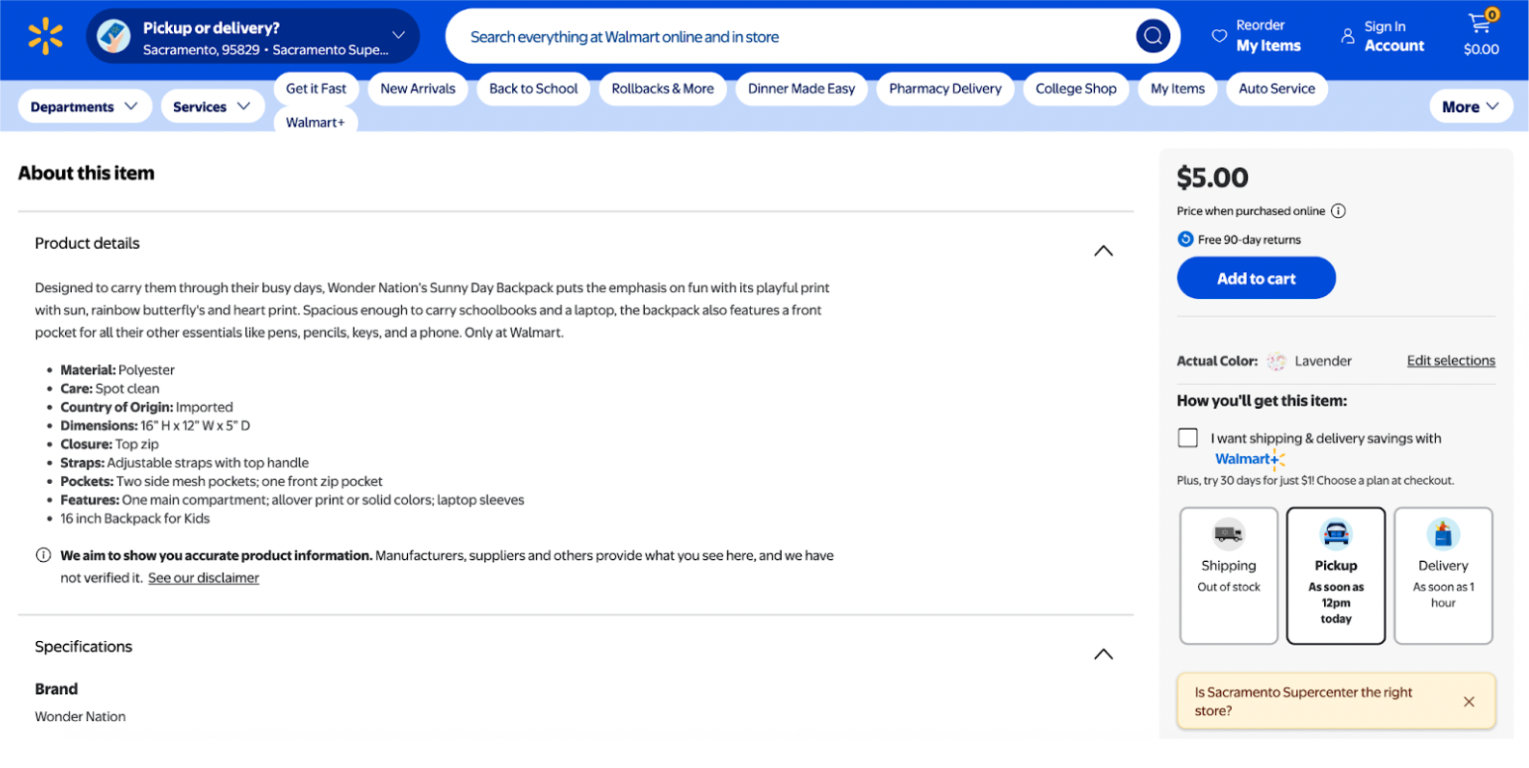
These same tools also enable store associates to deliver more meaningful in-person experiences. With enhanced product information and tailored recommendations available in the POS, they have the insights needed to guide consumers toward more informed and conscious choices.  With instant access to detailed product data – such as materials, origin, environmental impact, and sustainability certifications – associates can confidently answer questions and help customers select products that align with their values. 

5. Mitigating return rates

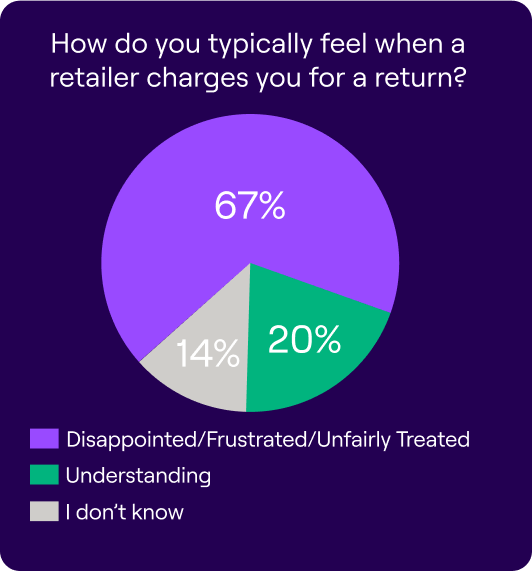
It’s no secret that returns have a huge cost for the planet. Around 17 billion items are returned every year, generating 4.7 million metric tonnes of CO2 emissions and 2.3 million tonnes of waste. 

In the past, customer returns have been considered an unavoidable cost of doing business, but a number of new digital technologies are helping shoppers make more suitable purchasing decisions – and reducing the likelihood of returns. In a world where customers shop across multiple channels, from online to in-store to mobile apps and more, consistency in product information ensures a seamless shopping experience. 

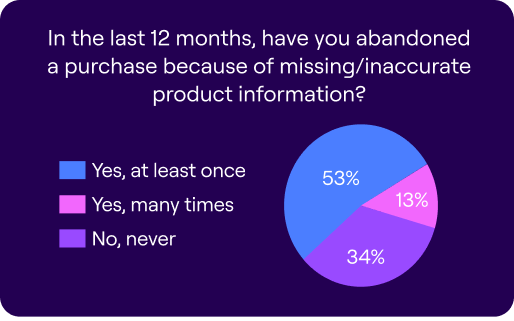
When product details like size, material or features are presented clearly, customers feel confident in their purchasing decisions, which reduces hesitation and the likelihood of returns. Inaccurate or inconsistent information can lead to customer frustration, erode trust in a brand and increase costly returns. 

Driving Sustainability in Retail

From improving supply chain efficiency to enhancing product transparency and enabling smarter decision-making, modern companies that embed sustainability into the very fabric of their operations reduce their environmental footprint but also build stronger trust with consumers, meet evolving regulatory demands, and future-proof their business in an increasingly eco-conscious marketplace.

As sustainability continues to shape the expectations of customers, investors, and stakeholders alike, the businesses that leverage technology to drive meaningful change will be the ones that lead,not follow. Now is the time to invest in solutions that align profitability with responsibility, proving that doing good for the planet can also be good for business.

Driving Sustainability in Retail

Discover actionable insights to reduce waste, optimise operations and meet growing consumer demand for greener practices.

Casey Paxton, Content Marketing Manager

Akeneo

UI That Works for You: How to Find a PIM Your Team Will Love (And Use)

Technology

UI That Works for You: How to Find a PIM Your Team Will Love (And Use)

When it comes to choosing a PIM solution, features and functionality are important, but they won’t matter at all if your teams aren’t able to actually use the system. In this blog, we dive into what UI really means, why it’s crucial for long-term success, what to look for when evaluating software usability, and why Akeneo PIM consistently earns high praise for its intuitive, easy-to-learn interface.

When it comes to choosing a product information management (PIM) solution, there’s a lot to consider – features, integrations, scalability, price, etc. But one often overlooked factor can make or break the success of your PIM adoption: the user interface (UI). But a good UI isn’t just about looking nice. It’s about making your team’s day-to-day work smoother, faster, and more intuitive.

Let’s explore what UI really is, why it matters so much, and why Akeneo PIM consistently stands out as one of the best solutions on the market for usability.

What is User Interface (UI)?

UI (User Interface) refers to the way users interact with a software application, and can include everything from the layout of the screens and the structure of menus, to how information is displayed and how easy it is to find and complete tasks. In short, UI is about how software looks, feels, and functions for the people who use it.

A good UI ensures that users can accomplish what they need to do, whether that’s enriching product data, updating catalogs, or launching new products, with minimal effort and confusion.

Why is UI important?

A strong UI may seem like just a good “nice to have” but when you’re dealing with complex software solutions that touch multiple teams and processes, it’s often actually critical for success. Here’s why:

  • Ease of adoption: A simple, logical interface reduces the learning curve, making it easier for teams to start using the tool confidently and quickly.
  • Efficiency: Good UI design minimizes wasted time searching for information or figuring out next steps, making everyday workflows faster.
  • Reduced training costs: When the system is intuitive, businesses spend less time and money training employees.
  • Better data quality: A clear interface helps users understand where data gaps exist and what actions they need to take to resolve them.
  • Higher user satisfaction: If people enjoy using the software, they’re more likely to use it consistently and correctly, leading to better business outcomes.

How to Evaluate UI in Business Solutions

When assessing a PIM (or any business-critical software), evaluating the UI carefully is crucial to ensuring long-term success. A polished UI can determine how efficiently users work, how quickly teams adopt the tool, and how reliably your product data can be maintained.

Here are the key elements you should pay close attention to when evaluating UI.

1. Clean, Uncluttered Design

A strong UI starts with clarity. When users log in, they should immediately understand where they are and what they can do next. Screens should not be overwhelmed with buttons, menus, or information. Instead, the design should prioritize focus, presenting only the most relevant tools and content depending on the context.
An uncluttered design reduces cognitive load, making it easier for users to concentrate on the task at hand without being distracted or overwhelmed.

Questions to ask:

  • Are the most important actions easy to find without searching?
  • Is the layout organized logically, without excessive visual noise?

2. Logical Structure and Navigation

Poor navigation can cause frustration and wasted time. An intuitive structure helps users find what they need quickly and reduces the chances of errors or omissions.

A good UI creates a clear, intuitive map for users to follow. Menus, categories, and workflows should mirror how users naturally think about and organize their work. Navigation paths should feel predictable, consistent, and straightforward whether you’re drilling down into a product family, switching between catalogs, or editing product attributes.

Questions to ask:

  • Can users easily return to the homepage or dashboard from any page?
  • Is there breadcrumb navigation or a logical menu hierarchy?

3. Helpful Guidance

Even with great design, new users may need a helping hand. Look for solutions that offer built-in guidance, such as tooltips, pop-up hints, onboarding tours, or contextual assistants. Features like this often go a step further by actively suggesting the next best action based on workflows and priorities.

Guidance tools empower users to get up to speed quickly and work independently, reducing reliance on support teams and minimizing errors.

Questions to ask:

  • Does the system offer contextual help or embedded instructions?
  • Are workflows clearly explained or supported by step-by-step assistance?

4. Responsiveness

Responsiveness refers to both speed and adaptability. Actions like clicking, filtering, editing, and saving should happen quickly and seamlessly. Additionally, the interface should adapt smoothly across different devices (desktop, tablet, mobile) without losing functionality or clarity.

Slow, clunky interfaces frustrate users and discourage adoption. In fast-paced environments, every second counts, and sluggish systems can slow down enrichment efforts or cause users to abandon tasks.

Questions to ask:

  • Are page loads and saves quick and smooth?
  • Is the interface fully functional on different screen sizes or browsers?

5. Accessibility

Not every PIM user will be tech-savvy. An accessible, user-friendly design ensures that marketers, product managers, and seasonal staff can all contribute effectively without needing specialized training.

A truly great UI is usable by everyone regardless of technical skill level, experience, or even accessibility needs.Interfaces should avoid jargon, use clear language, and maintain high visual contrast for readability. Keyboard shortcuts, screen reader compatibility, and adjustable settings are important for ensuring inclusivity.

Questions to ask:

  • Is the UI intuitive enough for a non-technical user?
  • Are accessibility best practices, like contrast and keyboard navigation, supported?

6. Visual Feedback

Visual feedback keeps users informed about system status, next steps, and errors without requiring them to dig through logs or reports, which boosts productivity and minimizes confusion.

Effective UIs communicate with users clearly through visual feedback. For example, when an action is completed, the system should confirm it visually (e.g., a checkmark or notification). When data is missing or needs improvement, visual indicators — like Akeneo’s Data Quality Score — should highlight the issue in an easily recognizable way.

Questions to ask:

  • Does the system provide real-time alerts, success confirmations, or warnings?
  • Are areas requiring action clearly highlighted?

Meet with an Akeneo Expert Today to Start Your PX Journey

Akeneo PIM: Best in Class UI 

We may be a bit biased, but analysts and customers alike have long recognized Akeneo PIM for outstanding user interface and usability. 

Here’s a few specifics on why we stand out from the crowd:

  • Clean, intuitive, and modern UI: Akeneo’s interface is praised for being user-friendly and approachable, especially by non-technical users. The modern design creates a welcoming environment that reduces the intimidation factor often associated with enterprise software.
  • Clear navigation and structure: Core elements like the product grid, product edit page, and data quality insights are logically organized, making it easy to browse, search, and edit product information. Everything is right where you expect it to be.
  • Guided processes with Teamwork Assistant (Enterprise Edition): This feature helps guide users through complex workflows, suggesting what tasks to complete next. It reduces guesswork and makes collaboration across teams easier and more efficient.
  • Visual data quality insights: Akeneo’s Data Quality Score surfaces areas where product information is incomplete or could be improved. The scoring system is easy to understand at a glance, helping users prioritize enrichment efforts without needing to dig into reports.

Akeneo PIM is ideal for teams who want an easy-to-learn, fast-to-navigate system that minimizes training time. It empowers business users, marketers, and product managers to work independently without heavy reliance on IT support, making it a favorite among organizations that value autonomy and speed.

Before Akeneo, managing our data was entirely dependent on IT, with business users unable to make updates independently. Today, thanks to Akeneo, both internal and external business users can seamlessly manage and enrich data without any technical support. This shift has empowered our teams, streamlined collaboration, and freed IT to focus on high-value initiatives.

Katelin Dell Senior Product Data Analyst, Strategic Projects

Steelcase

UI: The Bridge Between Technology and Productivity

UI is all about making complex work simpler, faster, and more accessible. In a world where digital tools are central to daily operations, a strong UI can mean the difference between a tool that empowers your team and one that creates bottlenecks and frustration.

When evaluating a PIM solution — or any business software — the quality of the user interface should be a top priority for all businesses. An intuitive UI accelerates adoption, minimizes training needs, improves accuracy, and boosts the overall productivity of your teams, all while ensuring that users of all technical skill levels can navigate the system with confidence, focus on enriching and maintaining high-quality product data, and adapt quickly to changing business demands.

Good UI design also has a compounding effect:

  • Higher usage rates mean better maintained product information.
  • Reduced friction leads to faster time-to-market for new products.
  • Improved satisfaction reduces employee turnover and reliance on technical support.

Ultimately, the tools you invest in should work for your people — not the other way around.

If you’re looking for a PIM that offers one of the most user-friendly experiences in the market today, reach out to an Akeneo expert today to learn more about how our clean design, intuitive navigation, guided workflows, and helpful visual cues sets us apart as a leader in usability and helps your team get more done with less frustration.

Are you ready to take the next step?

Our Akeneo Experts are here to answer all the questions you might have about our products and help you to move forward on your PX journey.

Casey Paxton, Content Marketing Manager

Akeneo