Register

Unlock 2026: The Great Restack

Learn More
Akeneo-Logo Akeneo-Logo

Highlights from Unlock Paris 2023

Akeneo News

Highlights from Unlock Paris 2023

For the tenth year, Akeneo invited the PXM community to gather in Paris and collaborate on future-proofing product experiences. Check out some of our favorite moments from Unlock Paris 2023, covering topics such as sustainability, product activation for key retail channels, and navigating an unpredictable future.

For the tenth year in a row, Akeneo invited the PXM community to gather in Paris and collaborate on future-proofing product experiences. Unlock (or Akeneo Partner Summit, if you’ve been on this decade-long journey with us for awhile) is one of the most highly anticipated PXM events of the year, and this year was no exception. With keynote presentations from industry leaders, technical hands-on workshops, and engaging networking opportunities, Unlock Paris 2023 was a smash hit that covered topics ranging from sustainability, product activation for key retail channels, and navigating an unpredictable future.

While there are too many notable moments to count, we wanted to share some of our favorite sessions from the global event, just for you. Check out the full recordings of our top five Unlock sessions below.


1. 2023 Product Announcement, featuring Akeneo Activation for Retail

During one of the highest-attended sessions of Unlock Paris 2023, we unveiled some of the most exciting features included in the latest Akeneo Spring Release on stage alongside Havaiana’s International CTO, Francois Silvain. Dive into everything you need to know about Akeneo Activation for Retail, our new Shopify app, AI capabilities, and more.

“We implemented Akeneo to enable our marketing team, our product team and merchandising teams to have one source of truth for all of our channels and languages to improve our product experiences through all channels.“ – Francois Sillvain, CTO Haviana’s International


2. Are You Ready for the Next Disruption? Lessons on Resilience in an Unpredictable World

The past three years have brought a global pandemic, inflation, war, and new challenges for companies trying to engage their employees and customers. In this session, Solutions Architect Matt Caffrey discusses the trials and tribulations Akeneo customer Assa Abloy faced as they navigated these disruptions and learned how to position themselves to weather and thrive during the next one.

“We’re giving customers the tools they need to do the job and we’re empowering our product managers and our marketing teams to future proof and get ahead of the curve. We feel we’re one step ahead every time.” – Matt Caffery, Solutions Architect Assa Abloy


3. Fireside Chat: Demystifying Omnichannel Product Experience Strategy, Unlearn Multi-Channel

Your customers’ journeys are changing, and becoming increasingly more complex. Their buying habits are multi-touch and omnichannel. If you really want to succeed in offering the experience that your customers expect, both on your owned and unowned channels, you need to make sure that you have a cohesive omnichannel product experience strategy. We sat down with folks from the WÜSTHOF team during Unlock Paris to break down the process of bringing a product all the way from browsing to buying and even post-purchase. 

“Being with the company for 23 years, I’ve seen the different stages of the company development. We are on the right path to be future-proof. With collecting the data in the digital single point of truth, we are on the right step to be future-proof in the omnichannel.” – Björn Kirsten, Brand & Creative PIM/MDM WÜSTHOF


4. Think Bigger: How to Realize the Full Potential of Your Product Experiences

Does your organization struggle to view Product Experience Management (PXM) as more than just an operational challenge? In this session, you’ll hear from Akeneo customer, XPIM GmbH who’s thinking bigger by putting PX at the center of an initiative to modernize their entire industry. You’ll also learn more about a new Akeneo asset to help your organization assess and optimize its PX strategy to unlock the full potential of Akeneo as an important driver of growth.

“At the very beginning PX was just a buzzword to us. We’d heard about it but we hadn’t wrapped our hearts or our minds around it. That came later once we started to think bigger. Today, [Product Experience] is more than just a strategy, it has to be part of your DNA.” – Marvin Urban, Founder & CEO XPIM GmbH


5. Take Control and Make Product Experenices Your Differentiator

Designing a product onboarding process can be overwhelming. To optimize the suppliers’ and brands’ onboarding experience, you also have to analyze product data to understand which features are most likely to lead to positive customer outcomes. Learn why PIM is more than a tool for data collection and how to use it to create compelling product experiences that will differentiate your business.

“Our first success is employee satisfaction and gain of productivity. With the PIM they can do magic, they have automation and new processes. They don’t lose time anymore on doing the same tasks as they were doing on an excel file or losing date. The satisfaction of the employee is really nice to have.” – Manon Lemaire, Digital Project Manager Bongenie Grieder


We had many more wonderful sessions and discussions throughout the two-day event than we were able to share here, but we hope you enjoy at least this little sneak peek into Unlock Paris. As one of our favorite times of the year, Unlock provides an opportunity for leaders and experts in the world of commerce to come together and honor the art and science of creating omnichannel product experiences, forging alliances and meaningful connections along the way.

We’d love to take a moment to say a big thank you to the wonderful Akeneo employees, partners, and customers who made this event possible. We couldn’t have done it without you, and we’ll see you back in Paris next year!

If you don’t want to wait a whole year for the next Unlock event, Unlock Boston will be taking place this fall. Stay tuned for more details to come on how to register!

Casey Paxton, Content Marketing Manager

Akeneo

Launch New Channels in Akeneo

Akeneo News

Launch New Channels in Akeneo

From eCommerce and marketplaces to social media and print catalogs, companies must be prepared to meet customers wherever they are. Akeneo PIM can help.

Modern commerce demands that companies engage with and sell to customers across multiple touchpoints. From eCommerce and marketplaces to social media and print catalogs, companies must be prepared to meet customers wherever they are. 

Akeneo is the ideal engine to support this omnichannel product experience strategy as it acts as a single source of truth for product information that can be quickly and efficiently contextualized and activated on every sales channel a company sells on. This benefit can be clearly quantified in Forrester’s recent Total Economic Impact (TEI) report on Akeneo, that found the incremental benefit provided by Akeneo’s data quality and management capabilities in new channels was responsible for 4.2% revenue growth over 3 years. 

Are you thinking about incorporating a new sales channel into your Akeneo solution? Let’s explore what a channel is and how you can prepare your Akeneo solution to unlock growth across all customer touchpoints, whether they’re owned by you or not.

What is a Channel in Akeneo?

Channels in Akeneo are used to adapt product information, product assortment, and mandatory fields to meet the requirements of each customer touchpoint within a product catalog. A company with an omnichannel strategy may sell the same product across many, or even dozens, of different customer touchpoints. 

A company selling in a print catalog, in an eCommerce platform, and through a marketplace may have three separate Akeneo Channels to support each version of the catalog. However, it’s important to think of each Akeneo Channel as an adaptation of product information, and not just a new destination of information. 

For example, a customer with four separate eCommerce storefronts with identical product information may need just 1 Akeneo Channel. Likewise, a mobile app and an eCommerce platform could also require just one Akeneo Channel if the product information, assortment, and mandatory fields (completeness) are identical. 

Adapt your Product Catalog

The first step in adding a new channel in Akeneo is to consider how your product content, assortment, and mandatory fields (completeness) will differ across channels. 

Product content

Different customer touchpoints often require different versions of the same product information. When adding a channel, it’s critical to first identify which information needs to be adapted and which information can remain the same across channels. 

Information that will remain the same can be left alone, while information that needs to be adapted to have a different value per channel needs to be configured in Akeneo. In the image below, you can see an example of how a Description attribute that’s been configured to have a different value per channel can support two separate descriptions. 

Note: We want to avoid doing redundant work, so be deliberate in identifying which information should actually change from channel to channel and what information can be shared. Need to modify some of your existing attributes to support separate values per channel? Check out this guide.

Akeneo product content

Don’t forget about your rich content! It’s often necessary to adapt your media across sales channels too. An eCommerce platform may require multiple high resolution images, while a print catalog may have just a handful of lower resolution or even black and white images. All of these different channel specific requirements can be supported with Akeneo’s Asset Manager

Assortment

It’s common for product assortment to change across channels. Category Trees in Akeneo manage product assortment and can be used to organize products within Akeneo. Each Channel in Akeneo can have a unique Category Tree. It’s quite common for products to be organized differently across channels. 

For example, print Category Trees are often much flatter while eCommerce Category Trees have multiple levels. Enriched Categories can also allow you to build channel specific category level content to build even more impactful experiences for customers. 

Completeness

Different channels may require more or less information. For example, a mobile or print channel may just need a few basic fields to meet customer expectations, while an eCommerce platform may need significantly more. Each channel in Akeneo can have different completeness settings to support this. This allows you to meet higher expectations for more detailed channels while launching rapidly on channels that require less information. 

Organize your Teams

Bringing a new channel to Akeneo often means incorporating a new team into your Akeneo environment. It’s important to understand early on who will be enriching products in Akeneo for your new channel and ensuring you have a clear definition of their roles and responsibilities. If an existing team will be enriching the new channel, it’s still important to ensure they are aware of their new responsibilities.

Training 

New teams being brought into Akeneo must be trained to work effectively in the tool. Akeneo offers a number of training options including free online courses and paid private training. It’s also possible to have a more experienced Akeneo user enable new teammates with some hands-on training. 

Permissions 

When adding new teammates to Akeneo, you want to ensure they’re working on the products and product information they’re supposed to with the help of Akeneo permissions. Consider which User groups and User Roles new teammates should have. Utilize Categories to control product access, Attribute Groups to control access to attributes, and Roles to control actions users can take in the PIM.

Process 

Map out the entire end-to-end product enrichment process for the new team. It’s important that every step is considered and that enrichment is done as effectively as possible. Utilize automation using Rules and Product Link Rules, and empower your teams on Teamwork assistant features to support rapid enrichment. It’s also critical to consider tasks or dependencies outside of Akeneo that new team members may need to contend with (like waiting for a photography team to take pictures, or a buyer to input a new product in an ERP system). 

Activate your Products

Now that you’ve adapted your product information for your new channel and enabled your new teammates, it’s time to get Products to your new Channel. In Akeneo, there are three primary ways to do this.

Akeneo Apps 

The Akeneo App Store gives you access to Akeneo Apps that provide a quick, high-quality integration to external systems with no developer intervention necessary. The App Store includes Apps for a number of platforms including Shopify, Adobe Commerce, Salesforce Commerce Cloud, BigCommerce, Channel Engine, ProductsUp, and more. In many cases, product mapping and scheduled exports can be handled directly in the Akeneo UI. Akeneo also allows you to build your own custom apps to meet your organization’s unique needs. 

Akeneo Activation for Retail 

Akeneo Activation for Retail allows you to send high quality product information and assets from Akeneo PIM to key retailers. By leveraging easy-to-use mapping, error reporting, and support for enhanced content, you can meet the requirements of your retailers at scale and deliver the customer experiences that increase discoverability and drive conversions.

Tailored Exports

Akeneo Tailored Exports allow you to build a custom export profile to map your Akeneo product information to the format of an external destination. Ideal for getting information to business partners, retailers, or internal teams, these exports can be scheduled to deposit a file into an external location (FTP server, AWS S3 etc.) and provide you with Akeneo native integration capabilities.

It’s critical that your organization manages every sales channel with Akeneo. Managing product information outside of Akeneo leaves you susceptible to inconsistent brand messaging, data inconsistencies, siloed workstreams, and excess content enrichment costs. 

Looking for other opportunities to improve your Akeneo solution? Take the Akeneo PX Strategy Assessment now.

Adam Beatty, Community Evangelist

Akeneo

Unlocking Growth With Shared Catalogs and Supply Data Manage

Akeneo News

Unlocking Growth With Shared Catalogs and Supply Data Manage

Take control of your product experience strategy with Akeneo Shared Catalogs and Supply Data Manager, solutions that enable easier communication with key stakeholders and improve enrichment efficiency. Reduce returns, increase conversions, and boost revenue with these Akeneo tools.

Creating dynamic product experiences and building a top-notch PX strategy isn’t a one-man or one-woman job. In fact, it’s not even a one company job.

Whether you’re a retailer with a host of suppliers helping to fill your product catalog, a manufacturer with a throng of retailers ready to sell your products to the masses, or the distribution company in the middle, you likely have a long list of business partners. These partners need the same thing you do to succeed in this omnichannel age — great product experiences built on a foundation of accurate, consistent, and compelling product information and assets.

But without a dedicated space for you to collaborate with external partners like suppliers, retailers, or distributors, and internal teams like sales reps and customer care workers, it’s easy for inaccurate, inconsistent, or outdated product data to reach your customers. Those mistakes can add up quickly, leaving you or your partners with low-quality product data filled with errors and inconsistencies and slow enrichment processes, which lead to bad product experiences, increased costs, and decreased revenue.

What’s needed is a dedicated space for sharing and exchanging product information and assets easily, efficiently, and securely. That’s where two of Akeneo’s products, Shared Catalogs and Supply Data Manager, come in. They’re designed to make it easier than ever to work together with your internal teams and partners and collaborate to create compelling product experiences, slash enrichment costs, and boost revenue.

Let’s take a closer look at how these two new innovations can help your team unlock growth.

Shared catalogs

Share Data Seamlessly

Managing product data is often a challenge for brands and manufacturers, particularly when it comes to sharing data with retail and distribution partners. Akeneo Shared Catalogs is designed to help your organization conquer those challenges with relative ease.

Shared Catalogs enables your teams to share specific product data and assets with selected partners via a dedicated, secure portal. This offers your retail and distribution partners a quick and easy way to access your product information, including digital assets, directly from you via an easy-to-use, flexible, and browser-based interface. It even comes complete with search capabilities to help them find what they need and export it on demand. Plus, Shared Catalogs gives your team increased control over who can access your product catalog, meaning that your retail and distribution partners can access the information they need — and only the information they need.

The results? Higher productivity and increased collaboration with external partners, on-demand access to your product information to pressure and workload from your teams, and improved product data quality and accuracy on partners’ sales channels. What does that mean? Better product experiences, higher conversion rates, and increased customer loyalty for your organization.

Shared catalogs

Provide Accurate, Consistent Data to Internal Teams

Shared Catalogs can also help organizations by providing them with a dedicated space to share accurate and up-to-date product catalog information.

With Shared Catalogs, your internal teams such as sales, marketing, and customer service departments can use a flexible and easy-to-use interface complete with search capabilities to ensure they have access to the latest product information. This gives your team a window into your Akeneo PIM instance, allowing employees to access information without forcing them to learn and use a new system on top of the many they already utilize. If they want, your internal teams can even consume it directly in the PIM user interface or share it with prospective customers, making collaboration even easier to manage and offering product managers increased control over access to a shared product catalog.

With Akeneo Shared Catalogs, organizations are able to collaborate with team members more easily and effectively, resulting in accelerated time-to-market, sinking enrichment costs, and improved product data accuracy. That translates to more selling days for your teams, better product experiences for your customers, and increasing revenue for your organization.

Shared catalogs
 

Onboard Suppliers with Ease 

Brands and retailers, of course, don’t just need to share product data among internal teams. They too need to communicate with external partners, namely the suppliers that help provide the products they sell. Enter Supply Data Manager.

Supply Data Manager is for anyone — retailers, distributors, multichannel brands, discrete manufacturers, and anyone else who is looking to improve workflows with suppliers. It provides a dedicated browser-based interface to help suppliers quickly and easily understand what information their team needs to provide for their sales partner. Sellers can then review and approve this new data. The data is then automatically fed directly into the seller’s Akeneo PIM instance, without forcing them to manually re-import or map attributes for each supplier.

Supply Data Manager also offers simplified supplier information acquisition processes by offering a familiar interface to manage suppliers, review, and accept the new products and information that they have provided.

Akeneo clients using Supply Data Manager have reported several business benefits, including better relationships with suppliers and accelerated time-to-market, improved product data accuracy, and consistency, and increased revenue.


Unlock Growth with Shared Catalogs and Supply Data Manager

Whether you’re a retailer, distributor, or manufacturer, you need to be able to send and receive information with your business partners easily and efficiently. That’s why Akeneo created Shared Catalogs and Supplier Data Manager.

Akeneo Product Cloud

Shared Catalogs and Supply Data Manager are just the start of what Akeneo has to offer. Start your journey towards better product experiences today.

Casey Paxton, Content Marketing Manager

Akeneo

10 Things to Know About Spring Release 2023 for Akeneo’s 10th Anniversary

Akeneo News

10 Things to Know About Spring Release 2023 for Akeneo’s 10th Anniversary

During our PX World Conference, Unlock, in Paris last week, we celebrated not only Akeneo’s 10th anniversary but also the Akeneo Spring 2023 Release. In honor of our birthday, here are 10 things you should know about the exciting capabilities that are now available.

Happy 10th Birthday Akeneo! We celebrated in style last week at our PX World Conference, Unlock, in Paris where Akeneo’s Spring 2023 Release was announced. In honor of our birthday, here are 10 things you should know about the exciting capabilities that are now available.


1.Akeneo Activation for Retail

Akeneo Activation for Retail is a new solution intended for brands using or interested in using Akeneo PIM to manage their product catalog and activate it across their key retail channels, making it easier than ever before to sell your products on retail channels with the product experience that your customers expect. 

When utilized with Akeneo PIM, the powerful and user-friendly Akeneo Activation for Retail is proven to fuel exceptional product experiences, increase time-to-market, and reduce operational inefficiencies of being a first-party vendor selling to multiple retailers. With error reporting that enables a user to read and diagnose missing product information, Akeneo Activation for retail makes it easy for your team to map PIM source data to any and all retailer requirements.


2. Custom Apps

One size does not fit all when it comes to your Product Experience Management (PXM). Custom Apps provide a flexible solution to easily create an app to address almost any unique customer need, enabling organizations to innovate faster than ever before. A Custom App is an app created from the Akeneo Product Cloud to package in a SaaS-compliant way your specific needs that are not covered by our existing native features or existing Apps available on the Akeneo App Store. These SaaS native apps allow developers and integrators to alleviate the expense and time necessary to build and maintain custom integrations by leveraging tools provided through the Akeneo App Store.


3. Time-to-Market Insights

What’s the best way to beat out your competition? Get on the shelf earlier with a faster time-to-market and increased sales. Just announced as part of our Spring 2023 Release, Time-to-Market Insights brings new operational analytics to the Akeneo Product Cloud that identify opportunities to streamline the product data enrichment process in Akeneo PIM, providing your team with the data and insights you need to innovate and improve.


4. Akeneo for Shopify

Today, eCommerce teams have to pull from multiple scattered data sources to build their product catalog in Shopify.  The Akeneo App for Shopify enables customers to connect Akeneo PIM directly to their Shopify stores through Akeneo technology and Shopify APIs.  Customers can easily publish their optimized product content from Akeneo PIM directly into their Shopify stores, making it easier than ever to map and import Akeneo products into Shopify.

With this newly released app, customers can easily publish their optimized product content from Akeneo PIM directly into their Shopify stores, resulting in a faster time-to-market, more accurate and up-to-date product content, and more impactful product experiences that include images and technical or emotional information to your customers.


5. 10 additional new apps on the Akeneo App Store

That’s right, we released so much stuff that we had to combine a whole other 10 new announcements into one! We launched many more apps other than Shopify, including:

And that’s not even all. You can head to the Akeneo App Store to get a full account of all the new apps released.


6. Identifier Generator

Enable product managers to efficiently prepare products for market with the Identifier Generator, a new way to automate the generation of your identifiers during the creation process of your products. Create product identifiers, a critical piece of product information, directly in Akeneo PIM and ensure that your product identifiers are created and structured to match your specific needs. This new feature allows your organization to create the structure of your identifiers with product attributes, select your targeted products by specific families, and manage custom abbreviations for each property.


7. Enriched Categories

Create a better customer experience, powered by a stronger product experience. With Enriched Categories, your organization will be able to create more impactful experiences for your customers on your D2C site by providing them with access to more information about specific product lines, categories, or sub-categories. Enriched Categories enables your team to leverage e-merchandising information such as images, descriptions, and SEO content, all of which provide better information to your buyers.


8. AI-capabilities now available in Akeneo PIM

Thanks to Spring Release 2023, you can now leverage Artifical Intelligence (AI) and Machine Learning directly inside of Akeneo PIM.  Automate the cleansing, deduplication, and categorization of product data as it is imported into Akeneo PIM, and support a faster time-to-market through AI-driven data cleansing.


9. Developer Tools and Sample Apps 

Akeneo’s platform makes it easier than ever before for you to interact with our ecosystem, ensuring that both our customers and integrators have access to everything they need. On the customer side, Business Users can feel confident that the applications that they need are easily accessible in the Akeneo app store off-the-shelf, are easily integratable. And for our integrators, partners and developers can integrate with Akeneo, reducing their Total Cost of Ownership (TCO) with confidence and ease.


10. Akeneo PIM Flexibility v 7.0 

The forever-free, open-source Akeneo PIM Community Edition (CE) now boasts some of the latest and greatest Akeneo features. CE customers and managed services version customers can now more easily export and import product information with the product UUID option, as well as mark the SKU input as optional, and more. See the full list of what’s included in Akeneo PIM Flexibility v7.0 here.


With a decade of dedication to product experiences in  our rearview mirror, we’ve released a ton of really exciting and innovative product updates, but Spring Release 2023 has truly been one to remember. We had a wonderful time celebrating with our PX community of customers, partners, and PX experts at Unlock Paris last week, and we look forward to seeing what we can create and build together in the future.

Akeneo Product Cloud

Discover everything Akeneo has to offer and start your journey towards omnichannel customer experiences.

Casey Paxton, Content Marketing Manager

Akeneo

Meet the 2023 Akeneo Unlock PXM Champions Award Winners!

Akeneo News

Meet the 2023 Akeneo Unlock PXM Champions Award Winners!

At Unlock Paris 2023 this year, we honored global organizations from our community for their achievements and advancements in PXM.

Today, we’re raising our glass to the innovators, the leaders, and the product experience champions that are crushing their goals and driving better results. Join us in celebrating the winners of the Unlock 2023 PXM Champions Awards!  Across six categories, these awards honor brands that have built and utilized product experience management (PXM) best practices to drive growth and turn challenges into opportunities as they adapt to the evolving omnichannel environment. Though the selection process was anything but easy, each of our award winners proved they’re changing the game by tapping into the power of Akeneo.  But without further ado, the awards go to…   

Expansion Award Winner: DELFINGEN 

The Akeneo Expansion Award recognizes those who are creating better experiences in their current channels, introducing impactful new channels, and connecting with new audiences, all to drive meaningful business results. 

Who are they? 

DELFINGEN is where family-owned and globally recognized meet. As the leading global supplier in the automotive industry, DELFINGEN specializes in protection and routing systems for electrical networks and on-board fluid transfer solutions. Their products are sold directly to top automotive companies and through distributors to smaller businesses.

What makes them award winning? 

Expansion was the name of the game for DELFINGEN in recent years, particularly with the acquisition and merger of Schlemmer. For most companies, significant growth comes with significant challenges, but rather than fall victim to product data management woes, DELFINGEN turned to Akeneo. By integrating Akeneo PIM, DELFINGEN centralized and streamlined product data management, sparking improved cooperation and productivity. This efficiency empowered DELFINGEN to keep growing, and in 2022, they made another big move, launching their new online channel, www.schlemmer.it. By adopting a D2C approach, DELFINGEN connected with new customers and gathered valuable consumer data – and saw big results. The launch of www.schlemmer.it became a game-changer, allowing DELFINGEN to improve customer experiences, increase sales, reduce internal costs, and be more competitive in the market.

Acceleration Award Winner: Kolmi-Hopen 

The Akeneo Acceleration Award recognizes those who have significantly reduced the time-to-market of their products, decreased the number of steps, and cut back on manual work to accelerate growth. 

Who are they? 

Kolmi-Hopen is a French manufacturer of single-use protective equipment (masks, gloves, gowns, head covers, shoe covers, etc.). For over 50 years, it has designed and manufactured products with exclusive technologies for contamination control and risk prevention. Akeneo Partner: EasyCom

What makes them award winning? 

The COVID-19 crisis sent the demand for Kolmi-Hopen’s products into hyperdrive. To meet demand, they had to get rid of complicated enrichment processes and scattered product information sources which slowed productivity. Enter Akeneo. With features like Shared Catalog, table attributes, asset manager and more, Kolmi-Hopen was able to reduce the dependence on Excel, improve team collaboration, and accelerate information finding, allowing them to offer customers a premium, personalized product experience. 

Global Award Winner: FENDI 

The Akeneo Global Award recognizes those who are expanding their business outside of their HQ country, flourishing in new territories, and working with local teams to connect with new audiences. 

Who are they? 

Founded in Rome in 1925, FENDI is an Italian luxury fashion house producing and selling worldwide fur, ready-to-wear, leather goods, shoes, fragrances, eyewear, timepieces and accessories. Akeneo Partner: Alpenite

What makes them award winning? 

With a worldwide distributed digital team, FENDI was no stranger to the challenges of global expansion. Most notably, heavy usage of Excel/Impex, the absence of permissions/visibility rules between different departments, and a translation flow that lacked integration with their service provider were causing exhaustive manual workloads – until Akeneo.  With Akeneo, FENDI was able to limit enrichment flow to the HQ team while giving important read-only access to the worldwide distributed team. Plus, the additional structure and translation integration possible with Akeneo also created a translation flow that is now 2 times faster than before. What’s the bottom line? Quality increased while overhead time decreased. Win-win.   

Leadership Award Winner: Arkema

The Akeneo Leadership Award recognizes those who are improving the lives of their teams through more efficient workflows, creating opportunities to be less operational and more strategic, and empowering their teams to grow. 

Who are they? 

Arkema addresses the ever-growing demand for innovative and sustainable materials, driven by the challenges of new energies, technologies, the depletion of resources, mobility, and increasing urbanization.  Akeneo Partner: InBetween

What makes them award winning? 

Before Akeneo, Arkema’s researchers, digital marketing managers, and product managers had to manually gather product information from scattered locations like Excel, SharePoint, and pdfs, build the desired material and then feed it into the desired channel. (Trust us, that’s an exhausting process.) Recognizing this was time-consuming, nerve-wracking, and inefficient for their team, Arkema took action.  Using Akeneo PIM, Arkema not only centralized product data, they also automated the creation of technical data sheets (TDS). Arkema estimates that the automation of just a single TDS saves 6 hours of employee time. With Akeneo PIM by their side, Arkema is creating better experiences for their customers and their people.   

Experience Award Winner: Smartphonehoesjes.nl

The Akeneo Experience Award recognizes those who provide exceptional product experiences, creates content for the right audience at the right place, and is cutting edge in how they represent it to their consumers.

Who are they? 

Smartphonehoesjes.nl is an international eCommerce retailer for mobile device accessories, such as screen protectors, charging cables, power banks, smartwatch straps, and more.  Akeneo Partner: Calago

What makes them award winning? 

To be successful in their market, Smartphonehoesjes.nl knew they had to connect the right content to the right channel, paying particular attention to their visual assets. The catch? The company has a lot of assets, meaning tons of manual work matching them to products.  Tapping into Akeneo, Smartphonehoesjes.nl was able to upload images in bulk and then utilize a set of rules to make sure those images were connected to the correct products and customized to their location. This saved 15 hours of manual work each week. Considering this was a team of just 2 people, that. is. Huge. The improved efficiency and localized product images translated into a better customer experience… and better business results. The company saw a 10.2% increase in product conversion on their own webshops and 5.7% increase of product conversion on bol.com, the biggest marketplace in the Netherlands. 

Ambassador Honor Winner: Bowens

In addition to the five PXM Champion Awards above, Akeneo granted an Ambassador Honor for the exceptional use of the Akeneo product. 

Who are they? 

Bowens is a fourth-generation family-owned market leader supplying the largest variety of quality timber and building supplies in Australia. 

What makes them award winning? 

Having used Akeneo at her previous job, Bowens’ new eCommerce coordinator – the only person managing the 45,000 products the company offers online – knew our solutions would provide exactly what the company needed. After successfully advocating for Akeneo, the eCommerce coordinator and Bowens and the company’s SI partner Aligent integrated Akeneo and said goodbye to time-consuming manual processes. Bowens was able to improve the product content quality online, increase the number of products online, get products listed online quicker, and allow suppliers to enrich content with ease, all thanks to Akeneo PIM and Akeneo Onboarder. Bowens now has a strategic advantage over competitors as it quickly grows its online store and perfects its eCommerce customer journey.  
  Congratulations to all of our PXM champions, and we look forward to seeing you all at the PXM Awards next year! Not sure where exactly you are on your path towards product experience excellence? Take our PXM Self Assessment to find out!

Lexi Messenger Sharkov, Content Writer

Akeneo

Announcing the 2022 Akeneo Partner Award Recipients

Akeneo News

Announcing the 2022 Akeneo Partner Award Recipients

We are thrilled to announce our first annual Akeneo Partner Awards program, where we recognize top-performing solution and technology partners for their innovative and extraordinary work for our customers.

We are thrilled to announce our first annual Akeneo Partner Awards program, where we recognize top-performing solution and technology partners for their innovative and extraordinary work for our customers.  Award recipients are selected based on demonstrating exceptional performance in implementing Akeneo’s Product Information Management (PIM) solution for their clients, contributing significantly to the growth and development of the Akeneo ecosystem through their active involvement in the community, advocacy, and collaboration. We chose to highlight partners who have gone above and beyond in providing outstanding customer service, support, dedication, and commitment to ensuring customer success.
And the winners are…

Global Awards

Impact Award Solution Partner 2022 

AND Digital AND Digital accelerates the development of world-class digital capabilities, and powers the product development of ambitious companies – from British Airways and Conde Nast, to The Telegraph, Gousto, and more. They work with their clients’ people to build impactful products AND high-performing teams. They do that by blending technical craft and product expertise with an award-winning approach to talent growth and development.  

Impact Award Technology Partner 2022 

Bynder Bynder is a global leader in digital asset management (DAM). Bynder’s powerful, intuitive, and deeply integrated DAM platform unifies and transforms the creation, management, and distribution of marketing assets – this includes video content, images, brand guidelines, and much more.   

Rising Star Award Solution Partner 2022 

Valtech Valtech is a global digital agency focused on business transformation. They enable clients to anticipate tomorrow’s trends and connect more directly with their consumers across digital and physical touchpoints, whilst optimizing time-to-market and ROI. They deliver innovation with a purpose. While their expertise is experience in design, technology, and marketing, their passion is in addressing transformational business challenges for their clients. From discovery to optimization, clients trust Valtech to remove complexity and deliver innovative, frictionless solutions that close the experience gap between customer expectations and reality.  

Rising Star Award Technology Partner 2022 

Constructor Constructor is the only AI product discovery platform designed explicitly for eCommerce retailers. Unlike other product search and discovery platforms, machine learning is in Constructor’s DNA, bringing dynamic personalization to the customer experience. Constructor’s cloud-based solutions use natural language processing, machine learning, and collaborative personalization to deliver powerful user experiences across all facets of product discovery — from search to browse, recommendations, collections, and autosuggest.
Partner Award Ceremony

Hero Award Solution Partner 2022 

Space 48 Space 48 is an award-winning eCommerce agency that work with global, forward-thinking retailers. They blend CX-focused solutions with unbeatable eCommerce technology to amplify the revenue you generate online. Space 48 is trusted by Magento, Shopify, BigCommerce, Shopware, and more to deliver exceptional eCommerce experiences that achieve global results.   

Hero Award Technology Partner 2022 

Spryker Spryker is the leading composable commerce platform for B2B, Enterprise Marketplaces, D2C, and Thing Commerce. Their easy-to-use, headless, API-first model is designed specifically for sophisticated transactional businesses. It offers a best-of-breed approach that provides businesses the flexibility to adapt, scale, and quickly go to market while facilitating faster time-to-value throughout their digital transformation journey.  

Global Growth Award 2022 

Vaimo Vaimo is one of the world’s most respected experts in digital commerce and customer experiences. For them, experience is everything. It is at the heart of all they do, and they are leading the way in delivering on it in the fields of digital commerce, content management, data management, and insights and activation. As a full-service digital experience agency, they deliver consulting, design, development, support, and analytics services within all four fields. They are a global partner with a local presence, focused on cultivating close, long-term relationships with their clients.   

MACH Partner Award 2022 

BigCommerce BigCommerce (Nasdaq: BIGC) is a leading Open SaaS eCommerce platform that empowers merchants of all sizes to build, innovate and grow their businesses online. BigCommerce provides merchants sophisticated enterprise-grade functionality, customization, and performance with simplicity and ease of use.   

Integration Award 2022 

Translations.com Translations.com is the world’s largest provider of language and technology solutions for global business. From offices in over 100 cities on six continents, Translations.com offers a full range of services in 200+ languages to clients worldwide. More than 6,000 global organizations employ Translations.com’s GlobalLink® technology to simplify management of multilingual content. With an unparalleled commitment to quality and client service, Translations.com is fully ISO 9001 and ISO 17100 certified. 

Congratulations to all of our award winners. Your contributions have been invaluable and you continue to deliver outstanding results for our clients. We are proud to have such a wonderful partner ecosystem. Thank you to all of our partners, and I look forward to continued success together.

Kristin Naragon Chief Marketing and Strategy Officer

Akeneo

Regional Awards 


Growth Award North America 2022 

Sitation Sitation is a key implementation and innovation partner to industry leaders in PIM technology. Focused on working with brands, manufacturers, retailers, and distributors, to provide services aimed at growth acceleration and winning customers on the digital shelf, Sitation specializes in the three pillars of PIM: strategy, data quality, and technology. Sitation also offers a custom suite of software solutions, including middleware, SEO, and AI platforms.    

Growth Award Central Europe 2022 

Adesso For a business to succeed, you need innovative ideas and robust technology, plus committed people to bring these two elements together at the highest possible level. Adesso’s mission: optimize core business processes through the targeted use of modern IT. To achieve this, they follow a clear philosophy: they combine technological expertise with exceptional specialist and business knowledge.   

Growth Award Western Europe 2022 

Vincit Vincit is a team of world-class software developers and designers united by the passion to reshape digital. A no-nonsense, hype-free zone. An agency that delivers digital and commercial excellence in smooth customer experiences. A maker of happy customers. They are not just another software development company, and it should never suck to come to work – even on Mondays.   

Growth Award UK/I 2022 

iWeb iWeb is a full-service eCommerce agency, Magento Enterprise Solution Partner and Akeneo Gold Partner, with over 24 years of experience designing and developing eCommerce websites that sell. From B2C to B2B to B2C2B, they’ve got great experience working with clients from all sectors, including JCB, British Heart Foundation, and Tile Giant. Their friendly team of experts has the perfect combination of creative and technical skills, building complex websites that look beautiful and perform brilliantly.  
  Congratulations to each and every one of our winners! We wouldn’t be where we are without our incredible network of partners; we’ve developed a close-knit community over the years, and it’s been a joy to innovate and grow alongside such incredible organizations. 2022 was one for the books, and we can’t wait to see what 2023 and beyond has in-store for all of us. You can learn more about the Akeneo Partner Ecosystem, or discover how you can get involved in the partner community today. We’ll see you next year for the 2023 Awards!

Kateri Osborne, Growth Marketing & Global Campaigns Manager

Akeneo

Solving Direct-to-Consumer (D2C) Commerce Problems with PIM

Customer Experience

Solving Direct-to-Consumer (D2C) Commerce Problems with PIM

Selling direct to consumers can be a challenge for B2B brand. Discover how a product information management (PIM) solution can accelerate your D2C efforts.

Some of the best-known B2B brands in the world, from PepsiCo to Nestle, are pivoting to selling direct-to-consumer (D2C), whether that’s via marketplace channels or launching eCommerce outlets of their own.

There’s good reason for this migration — one recent survey found that roughly 54% of consumers are now using direct-to-consumer channels to shop frequently and are likely to retain those habits in the future. As a result, direct-to-consumer sales are projected to reach almost $183 billion in 2023.

But selling directly to consumers (sometimes noted as DTC and D2C) can be a real challenge for even the most successful B2B brands; from issues of control over product experience to the need for speed on direct-to-consumer platforms, even global brands can find it difficult. Discover how a strong product information management (PIM) solution can help you navigate around any roadblocks and become a D2C brand success story.

Get online

The challenge: If you’re a B2B brand without an eCommerce platform, you’re not alone — there are plenty of other manufacturers and distributors who have yet to complete their digital transformation. In order to sell directly to consumers, however, you’ll need to build an eCommerce store where consumers can find information and purchase your products, one that can stand out from the ever-increasing crowd of online retail companies. That means offering accurate and consistent product information, compelling product descriptions, dynamic digital assets, and more.

The solution: A PIM solution is purpose-built to help you complete your digital transformation and begin meeting consumers where they are — namely, online and on other digital shopping channels. With a strong PIM solution, you’ll be able to easily and efficiently collect, standardize, enrich, contextualize, and distribute product information to not only your retail and distribution partners but also to your owned channels — such as your new eCommerce site.


Control your product experience

The challenge: To succeed online, it’s crucial to take control of your product experience and provide your customers with a unified, but not uniform, product experience across a range of different channels. But managing your product and customer experiences in an omnichannel world is a complex and challenging process that includes complying with the requirements of every channel you sell on. This includes customizing product descriptions and digital assets for each channel and providing a product experience tailored to the touchpoint your customers are using, regardless of where they are on their online shopping journey.

The solution: A strong PIM solution will offer tools to help you categorize products, including product variants, and offer tools like automation and a business rules engine to make the product enrichment process more efficient. This will make it easier for your team to present a compelling product experience that remains consistent, compelling, and up-to-date across a wide range of owned and unowned channels, including direct-to-consumer outlets. And, by pairing your PIM with a strong activation solution, you can take your direct-to-consumer experience to the next level to win over even more new customers.


Ziggy the hydra

Move faster 

The challenge: Going direct-to-consumer means keeping up with ever-changing consumer tastes and trends. Your team needs to be able to easily and efficiently update catalogs with new products and product information. Manually updating catalogs with new product information can be time-consuming and difficult to accomplish quickly, particularly if your marketing strategy hasn’t previously included D2C. The solution: With a robust PIM solution, your team can get access to tools that allow them to quickly and easily update product assortments by adding or removing products from your catalog, adding new product attributes, and pushing updates to the relevant sales channels. They can also more easily add new attributes, rewrite descriptions in one central system, rapidly populate them to all sales channels in context, and even embrace new offerings like BOPIS (buy-online-pick-up-in-store). That means your team can work more quickly and stay agile, adapting and updating your catalog with ease and accelerating your time-to-market, and helping you get more selling days on your direct-to-consumer platforms.

Work smarter

The challenge: Picking up the pace is all well and good, but if your product information is being bogged down by errors, inconsistencies, or incomplete data, that speed will all be for naught. Your customers, particularly consumers who may not be familiar with your brand, need to feel confident in any potential purchase they may make. If your product data is inaccurate or inconsistent, consumers are far less likely to make a purchase. And, if they do complete a transaction only to find that your faulty product data resulted in them purchasing the wrong product, they’re likely to return the product and go to your competitor for future purchases. The solution: A good PIM solution will allow you to accelerate your time-to-market and boost team efficiency without sacrificing product data quality with features like automation, a business rules engine, validation control, and more. A robust PIM will also provide you with a way to analyze your product data, identify low-quality pieces of information, and provide suggestions to show you how to improve your product experience and win over shoppers on direct-to-consumer channels.

Solve Direct-to-Consumer challenges with Akeneo PIM

There’s no doubt going direct-to-consumer poses some big benefits — and significant challenges — to B2B brands big and small. The best way to overcome those challenges, in our humble opinion, is with a robust PIM system — like Akeneo PIM! Akeneo PIM is built to help you establish your D2C brand, regardless if you’ve got physical stores, relationships to traditional retailers, or out-of-date business challenges. Take control of your product experience, work more efficiently, accelerate time-to-market, and improve product data quality with Akeneo PIM, enabling you to succeed on direct-to-consumer channels.

Akeneo Named Value Index Leader in All Categories of Ventana Research PXM Value Index 2023

Akeneo News

Akeneo Named Value Index Leader in All Categories of Ventana Research PXM Value Index 2023

In an independent report conducted by Ventana Research, Akeneo PIM was named a Value Index Leader in all seven key categories, paving the way for PXM.

The 2023 Product Experience Management (PXM) Value Index was released today by Ventana Research, an independent market research and technology advisory services firm, and Akeneo was named a Value Index Leader!

This quantified, research-based index evaluated sixteen technology providers and products on seven key categories: five were related to product experience, including Adaptability, Capability, Manageability, Reliability, and Usability. The final two categories were customer experience related: Validation and TCO/ROI.

Essentially, the PXM Value Index is an assessment of how well a vendor can address a buyer’s PXM requirements through their software offering. Ventana Research factors customer expectations and needs into their analysis, providing a holistic report that enables organizations to achieve the levels of organizational efficiency and effectiveness needed for engaging digital experiences through PXM best practices.

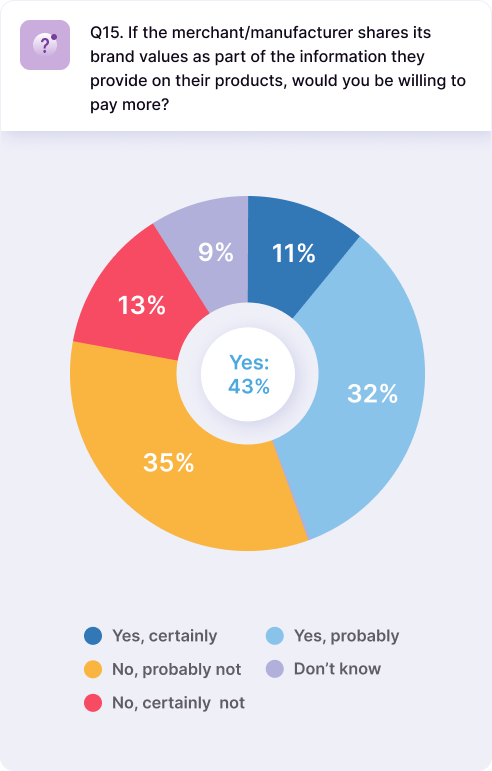
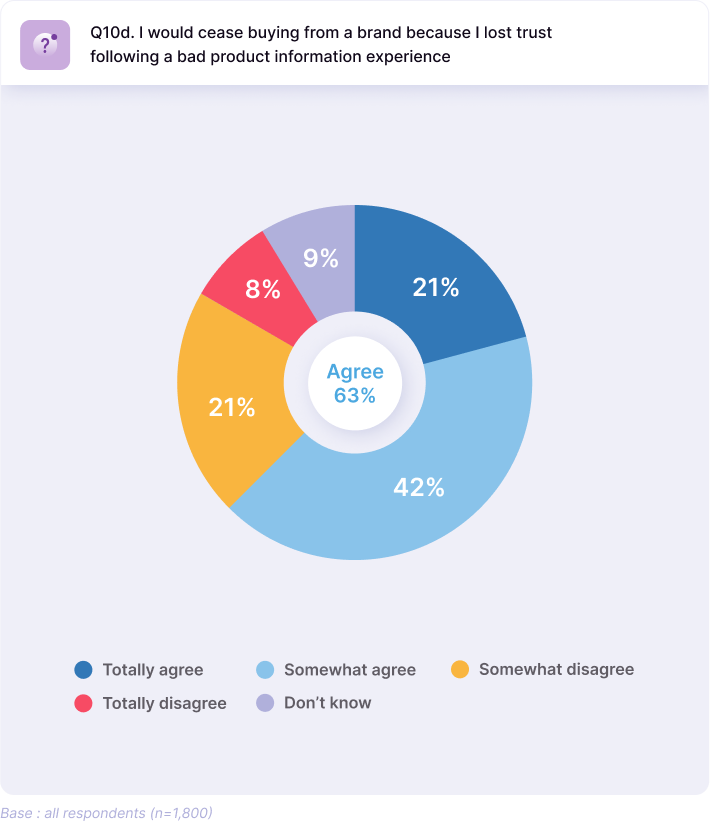
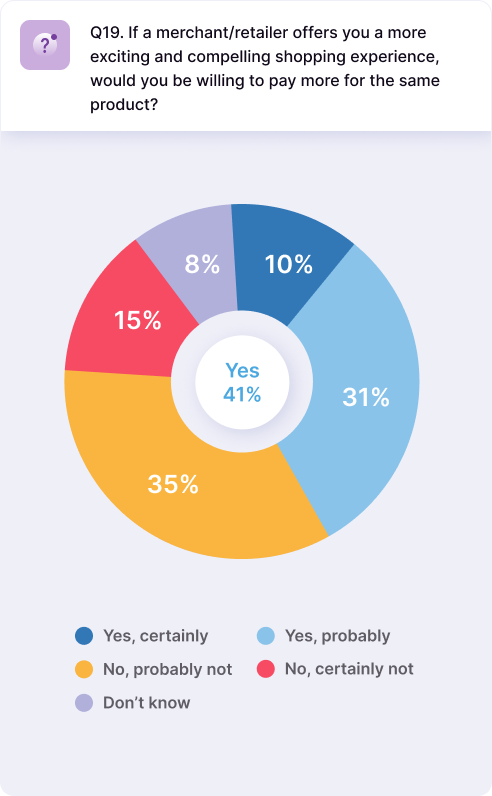
Why is this important? Well, for starters, two-thirds of consumers say they would stop buying from a brand due to a bad product experience, and over half of all consumers say they are willing to pay a higher price for a more informative and compelling product experience. But delivering these sort of compelling and consistent product experiences across a continually expanding array of channels and touchpoints is nearly impossible without first establishing a solid foundation of product information, and that is where the art and science of PXM comes into play.

In the PXM Value Index, Akeneo was categorized as an Exemplary Vendor, ranking second overall. Coming first in Customer Experience and second in Product Experience, Akeneo was ranked as a Value Index Leader in all seven categories. 

Our innovative software offering placed the highest in the “Validation” category, which analyzed the vendor’s ability to support a customer through their PXM journey across sales, onboarding, support, services, and partners, and how the vendor utilizes customer interactions and feedback to improve their product. The close-knit PXM community we’ve managed to curate allows us to use customer behavior and needs to inform our roadmap and improve our product offerings.

Akeneo was ranked second place in several categories as well, including the “Usability” category, which analyzed the technological intelligence of the vendor’s software across the user’s experience, including the use of Artificial Intelligence (AI) and Machine Learning (ML). Ventana Research also factored in the usability of the software by employees of varying skill levels and expertise. With the constantly shifting job market and economic conditions, this is a factor that organizations need to heavily consider when evaluating vendors as quick tool adoption can reduce cost and save time.

Often, when an organization looks to improve its customer experience, they take a “customer-first” approach, which is fair; however, focusing on the customer experience before the product experience is like building the house without pouring the foundation first.

The product experience is the key to exceeding customers’ expectations. It’s what unifies an organization’s efforts to scale and grow, and a well-implemented PX strategy brings more value to the business by enabling efficient expansion to new channels and an experience that your buyers can trust. 

You can learn more about the 2023 PXM Value Index here, or check out a summary of Akeneo’s results in the Ventana Market Perspective. If you’re curious as to how far along your organization is to providing world-class product experiences, you can take our self-assessment for an analysis of your current PXM maturity level and personalized tips and tricks for improving your PXM practice.

PXM Self Assessment

How far along are you on your journey to creating compelling product experiences?

Casey Paxton, Content Marketing Manager

Akeneo

How to Choose a PIM Vendor

Technology

How to Choose a PIM Vendor

There are so many factors to consider when choosing a PIM vendor that it can be overwhelming. Lucky for you, we’ve put together a guide for the first three steps you need to take when selecting the right PIM software for your team.

You did it! You’ve convinced your higher-ups that this nightmare, hodge-podge system of spreadsheets and outdated technology platforms that your team has been getting by with for years to manage product information is inefficient and ineffective. Great! Then what? You turn to face the market and realize there are dozens of options for product information management, all claiming to be the best, with a thick haze of buzzwords and acronyms clouding your vision. How are you supposed to differentiate between them all, and more importantly, how are you supposed to know which PIM software vendor is the right one for your organization? There are countless factors to consider, but when you’re starting your journey towards product experience excellence, here are the three steps you should take first to evaluate PIM vendors.  

1. Identify the team

Who uses a PIM?

PIM is used by a wide range of internal teams, including marketing, IT, inventory management, sales, product/product support, eCommerce managers, and more. All of these stakeholders need access to the product record in varying degrees; your IT team needs to feel comfortable that your PIM solution can integrate seamlessly into your existing technology ecosystem, while your marketing and sales teams may be more concerned with how many languages your product information can be translated into or how quickly you can enter a new market or channel. External stakeholders such as suppliers, manufacturers, and distributors will need access to your product catalog as well in order to ensure high-quality, accurate product listings across the board. While you may not need to, or want to, share every piece of product information with every stakeholder, a PIM software solution can ensure that the right information is seen by the right people at the right time. Ultimately, any team or organization that needs access to product information and is involved with curating a strong PX strategy can benefit from a PIM system.  

2. Identify the goals

What are your PIM pain points?

Before choosing a PIM vendor, it’s important to identify the pain points and goals you want to address. Some common PIM pain points include:
  • Scattered, manually managed, redundant product information 
  • Siloed teams, technology, and communication
  • Slow time-to-market 
  • Inability to scale
  • Poor product experiences that result in lost sales, unhappy customers, and high return rates
 

What are your strategic growth goals?

The PIM vendor that you eventually choose to implement into your organization should have the functionality you need to support your overarching strategic growth goals. Depending on what’s a priority for your organization, certain PIM solutions may work better for you than others, so it’s important to decide which product experience goals you’re looking to achieve. Create a cohesive omnichannel customer experience A PIM solution doesn’t live in isolation; it’s an investment in a piece of technology that will act as a central source of record for all of your product information, and act as the keystone to your commerce strategy. Simply put, you can’t create coherent, compelling, and up-to-date customer experiences without the right people, processes, and technologies in place to support these experiences.  React faster to new markets and channels How quickly is your team able to react to new channels? New social media outlets, new marketplaces, new technologies like Artificial Intelligence(AI) and VR? Chances are, this is an area you’re looking to improve on (but don’t worry; so are most organizations). Whatever the case may be, you don’t want to be building from the ground up every single time a new marketplace or channel emerges. Implementing a PIM solution enables your team to keep your entire product record in one place, ensuring that you’re time-to-market is reduced and activating your existing product data to a new channel is as easy as clicking a few buttons. Optimize internal operations Poor product information management practices often result in a whole lot of redundant work as siloed teams upload and reupload the same product information and spend thousands of hours hunting down the specs that they need. If you’re looking to streamline your internal operations, maximize efficiency, and ensure that every internal and external stakeholder has the product information they need when they need it, a PIM solution should act as the foundation for this enhanced process.  

3. Identify the features

What makes a good PIM system?

Like we said, there is no one-size-fits-all PIM offering. But there are some basic core functionalities that your PIM vendor should be able to offer, regardless of what your strategic goals are. Let’s take a look at a few of the most important ones. 1. Centralize, organize, and optimize product information At its core, your PIM should make it easier for your team to manage and enrich product information — a process that starts with collecting and centralizing your data in one place. A good PIM system should provide a centralized repository for all product information, making it easy for teams to access and manage this information in one place. This includes optimizing product data, such as ensuring consistent formatting and removing duplicates, to make it easier for teams to use and maintain this information. It should also provide a deep roster of capabilities designed to make it easy for you to collect and centralize product information, such as accurately mapping and consolidating raw data from different sources.  Lastly,  strong PIM solution should make it much easier to categorize products, including supporting product variants and organize your product data for the requirements for different channels and languages. Ideally, it will also help you identify errors in product information, fix them, and define a minimum level of quality and completeness required for a product to be published to ensure that the product experience you’re offering is consistent and up-to-date everywhere.  2. Localize and contextualize product information Beyond the basics of creating a single source of record for your optimized product information it’s more important than ever before that your PIM system can adapt product information to different regions, languages, and markets in today’s global marketplace. A good PIM should provide the ability to localize and contextualize product information, making it relevant and usable in a variety of contexts. The right PIM vendor will help you improve your data quality and product experience by crafting localized and contextualized product descriptions, images, and other data for each channel you sell on and every locale you sell in. It also should measure and improve your data quality by identifying low-quality product information and offering suggestions to enhance it. 3. Activate your product record everywhere The PIM system you choose should be able to activate product records across all channels, including your website, mobile app, social channels, third-party marketplaces, physical stores, and more. This means that product information should be consistent and up-to-date across all channels, improving the customer experience and reducing the risk of errors. Your preferred PIM should be able to quickly and efficiently deploy your catalog to your owned and unowned sales channels. A good solution will also track when your products are ready to sell, offer export capabilities designed to ensure your team only exports the right data to the right channel, and enable your marketing team to save these profiles for future usage. 4. Be intuitive and user-friendly A PIM system that is intuitive and user-friendly can help improve adoption and usage by your team. Look for a system that is easy to navigate, has a clear user interface, and provides the tools and features that your team needs to do their job effectively. 5. Be cloud-based and composable Nowadays, your PIM software vendor should be a cloud-first offering that’s built with modern SaaS architecture, and should support a composable architecture framework. What does this mean? Your PIM will easily fit into your tech ecosystem and communicates mainly via API so new technologies can be integrated or removed seamlessly as you grow. A PIM vendor that supports a composable commerce architecture gives you more flexibility and control over your product information even as your organization scales and changes are made to the tech stack.  6. Improve internal operations A good PIM system should help improve internal operations, making it easier for teams to access and use product information, reduce errors, and streamline workflows. This can help improve the speed and efficiency of your teams, reducing time-to-market and helping you reach your growth goals. The right PIM vendor should shorten your time-to-market and make the enrichment process easier and faster for your employees. It should have collaboration tools that streamline your team’s day-to-day tasks, reducing manual enrichment effort and providing a mechanism to measure product data quality to ensure a high-quality product experience.

Other factors to consider:

What is your budget and timeline, and is it realistic? While there are a few PIM tools that offer free versions of their product (like Akeneo!), most robust PIM systems are going to not only cost you a decent chunk of change, but also may take longer than you realize to implement; on average, anything from a couple of months to over a year. You’ll want to make sure that you and your team are setting realistic expectations from the start so that your PIM adoption and implementation process are as smooth as possible! What other technology do you have in your ecosystem that you’ll want to integrate with your PIM, and what technology are you looking to adopt in the future? Every PIM is different and works with different technologies, so before you begin evaluating PIM systems, you’ll want to make a list of existing technologies in your stack and platforms you plan to implement in the future to ensure that the PIM you select is compatible with your ecosystem. This could include Digital Asset Management software (DAM), Master Data Management (MDM) software, Product Lifecycle Management software (PLM), Order Management Systems (OMS), Enterprise Resource Planning software (ERP), and pretty much any other acronym you’ve stumbled across in your research. Can everyone who needs access to the PIM get access to the PIM? This includes all the teams mentioned earlier, such as marketing, IT, product, sales, eCommerce, and more, but also external stakeholders who will need access to your product information. Ensure that your PIM enables you to collect and communicate product information with suppliers and distributors, and is easily accessible; if only your technical teams are able to navigate your PIM, it’s probably not the most scalable option. Can the platform activate your product record across all owned and unowned sales and marketing channels at an efficient pace? Your product information is rendered almost useless if it’s centralized in one place but stuck in your PIM system with no ability to syndicate that information out to all the channels you need to be on. Whether the functionality is built directly into the product, or the platform has an extensive network of best-of-breed technologies to support this type of omnichannel product activation, you’ll want to ensure that the PIM system that you opt for is able to activate your product record across all channels and marketplaces.  

The Right PIM Vendor for You

Though it may be half the battle, deciding that you need to implement a PIM solution is only just the start. Then, you need to focus on aligning your teams around what you’re looking to get out of a PIM tool and analyze the software vendors in the market. While every organization is different and will need a different PIM vendor to support their needs, there are a few key functionalities that all PIM software tools need to have in order to activate compelling and up-to-date product experiences across all channels. Are you evaluating PIM software vendors? Check out Akeneo – we have a range of offerings to fit all your needs, whether you’re a global enterprise organization looking to take your product experience strategy to the next level, or are a small company just starting out on your product experience journey.

Casey Paxton, Content Marketing Manager

Akeneo

3 Ways to Emphasize the Importance of PXM to Your Organization

Product Experience

3 Ways to Emphasize the Importance of PXM to Your Organization

PXM can act as the foundation for your omnichannel customer experiences, but how do you convince others in your organization to make the investment? Let’s take a look at three important use cases for PXM, with concrete examples and KPIs you can take back to your team today.

They say it takes a village to raise a child. Well, you could say the same when it comes to implementing a Product Experience (PX strategy) and building a best-in-class Product Experience Management (PXM) practice.

Bringing together the right PIM team is the crucial first step for any successful PXM project, because implementing a Product Information Management (PIM) solution is a wide-ranging process that involves a wide swath of your organization. That means it’s critical to identify the key stakeholders and decision-makers in your organization early in the implementation process and help them understand the potential benefits of implementing PIM.

To help you garner support for PXM across your organization and become an evangelist for the power and potential of great product experiences, we’ve collected three tips to help you ensure your organization understands the value it can bring.

1. Emphasize Return on Investment

Improved process efficiency, a more manageable workload, and fewer manual tasks through automation are all good things that are made possible by a robust PIM. Decision-makers and executives, however, are typically more convinced by its impact on the bottom line.

They want to know how much the solution will cost, as well as what benefits the company could see if they do make this strategic investment. Namely, they need to understand the ROI, or return on investment, this solution holds. So, spread the word about the ROI of PIM by tracking key performance indicators, from improved conversion rates, reduced returns, improved time-to-market, lower enrichment costs, and even increases in average order volume.

Point to examples like Midland Scientific, a scientific instruments and lab equipment manufacturer, and an Akeneo customer. They were able to reduce the cost of product enrichment by 5 times — from $5/SKU to $1/SKU — and accelerate product catalog production speed by 50% after using Akeneo PIM to take control of their product information processes.

PX Strategy – Self Assessment

How far along is your organization on your journey towards compelling, omnichannel customer experiences?


2. Reflect on the cost of bad product experiences

Product Experience Management is the foundation of all great customer experiences — and product data is the stone that makes up that foundation. High-quality product information will ensure that your customers have great product experiences. Meanwhile, poor product experiences are often the result of inaccurate, inconsistent, or incomplete product data, bad digital assets, or poorly contextualized data.

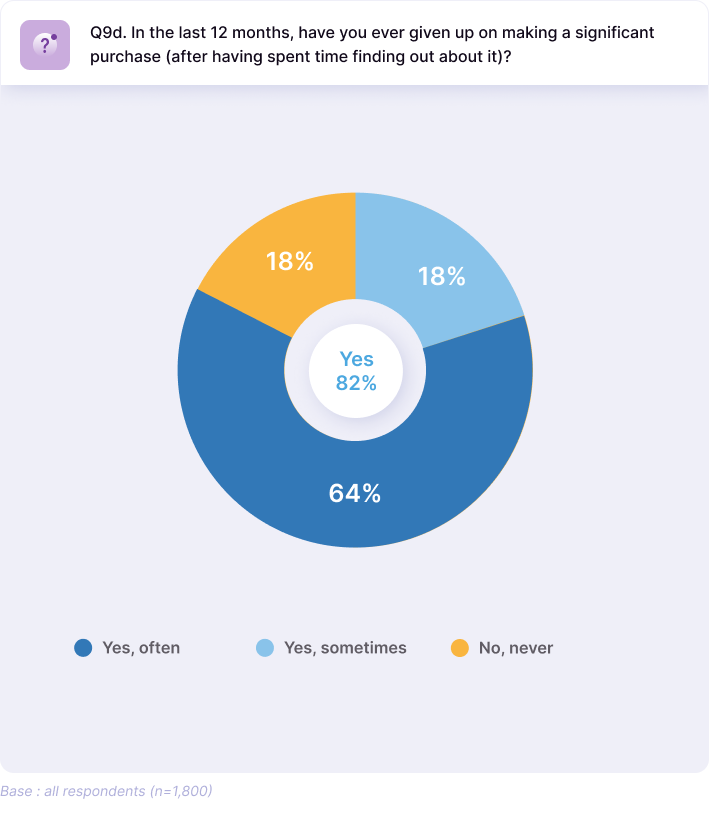
These product information issues can reduce conversion rates, increase product return rates, negatively impact satisfaction with your brand, and reduce the likelihood of them shopping with you again. On the flip-side, they will become loyal shoppers of merchants who go out of their way to provide positive, compelling product experiences, especially unique experiences that utilize innovative technology. In fact, two-thirds of shoppers have abandoned a purchase to due a bad product experience, and just over half of all consumers said that they would be willing to pay at least 27% more for a product for a quality product experience.

Let’s take a look at Akeneo customer Turner Price. The foodservice wholesaler originally looked to Akeneo PIM to ensure that ingredients and allergen information is 100% accurate, correcting old and outdated information and was able to use our software to create a single source of truth for their product information. Since then, Turner Price has been able to triple their product range and cut enrichment times by 80%, leading to increased revenue and average order value.

3. Focus on what matters

The way an organization manages its product information is critical to business outcomes and its overall success. That means your team must focus on the effective management of your product information, even after you’ve initially spread the word about the importance of PXM.

Continue to emphasize the need to move from merely displaying product data across your channels to crafting product experiences that evoke emotion. Achieving real product experience management maturity is a crucial asset to driving growth.

Documenting and tracking your key KPIs is crucial to understanding the benefits from PXM and an investment in a PIM solution. But getting buy-in from your teams is equally important — that way, the technology is properly implemented, employed, and adopted to drive efficiency in your internal processes. Using the ideas listed here to evangelize the profession of PXM and the kind of results your enterprise can see will go a long way to help ensure adoption and success in your PXM journey!

Ready to learn more about how a PX strategy and PXM best practices can revolutionize your business? Reach out to an Akeneo expert today to get started, or check out our latest report conducted by Forrester Reporting, The Total Economic Impact of Akeneo’s PIM. 

Casey Paxton, Content Marketing Manager

Akeneo