Digital Asset Management (DAM) software solutions are tools designed to efficiently organize and manage digital assets within an organization. These assets can include images, audio, and other multimedia files. DAM helps businesses efficiently distribute content across channels, ensuring quick access to digital assets for websites, social media, and more. By providing high-quality visuals, it enhances the customer experience, making a brand more appealing while increasing conversions and loyalty.

Digital Asset Management (DAM) is a system that helps businesses efficiently store, organize, manage, retrieve, and distribute digital assets like images, videos, audio, documents, and other media. It offers a centralized hub for secure access and team collaboration. By streamlining workflows and ensuring version control, DAM boosts productivity, maintains brand consistency, and simplifies digital asset management.
Key features include:

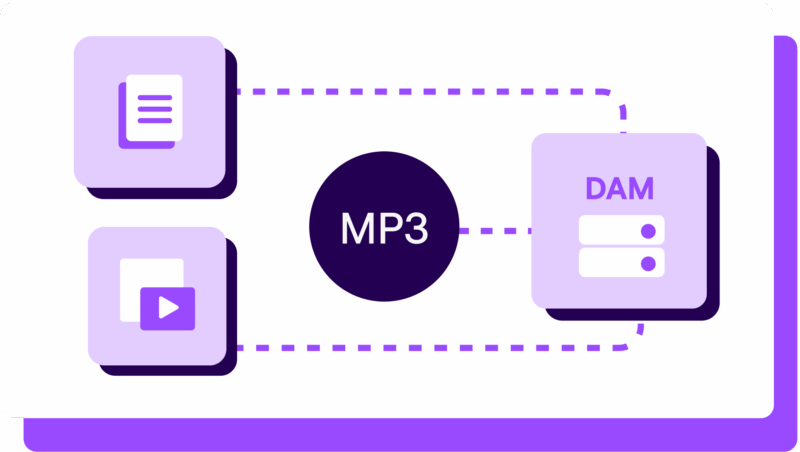
DAM systems store a wide range of digital content, including images (JPEG, PNG, PSD), videos (MP4, MOV), audio files (MP3, WAV), and documents (PDF, DOCX, PPTX, INDD). They also house brand materials like logos, icons, and color palettes, as well as important legal documents such as contracts and brand guidelines. Each asset is enriched with metadata—like tags, keywords, and usage rights—to make it easily searchable, secure, and ready for use across teams and channels.
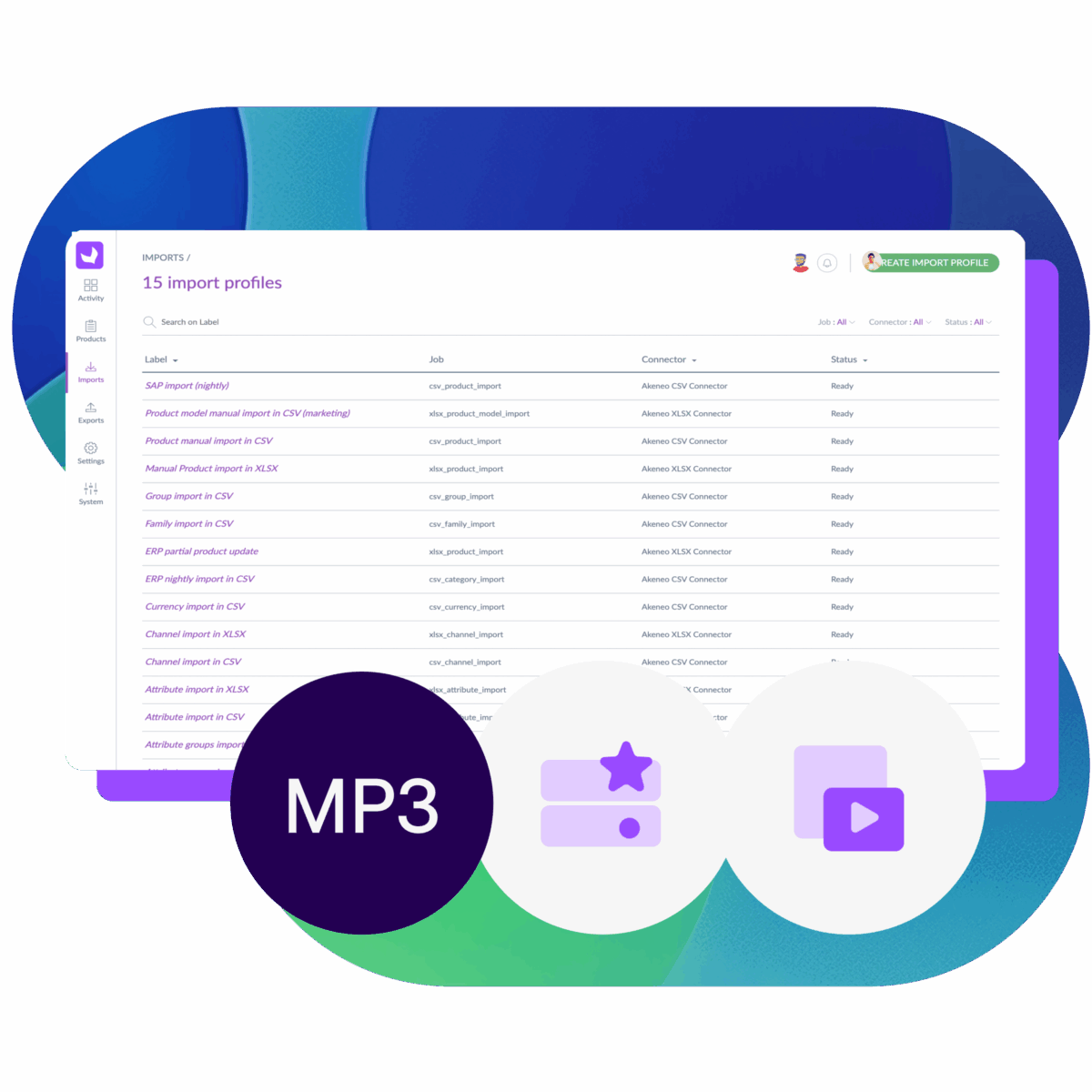
DAM systems provide centralized access to all digital assets, making it easy for teams to find, manage, and repurpose content efficiently. This improves brand consistency, speeds up content creation, and reduces errors with built-in version control. By enabling secure collaboration and supporting high-quality visuals across channels, DAM enhances both internal workflows and the overall customer experience.





A DAM solution empowers marketing teams by centralizing access to all brand assets—images, videos, graphics, and templates—ensuring campaigns are always on-brand and visually consistent. It speeds up campaign creation by making it easy to find and repurpose approved content, while version control prevents outdated assets from being used. DAM also supports faster collaboration with creative teams and agencies, helping marketers launch content-rich campaigns more efficiently and effectively.

DAM helps eCommerce managers deliver a visually engaging shopping experience by making it easy to manage and publish high-quality product images, videos, and 360° views across all digital channels. With centralized asset control and tagging, assets are easier to reuse and localize for different regions or platforms. This leads to faster product page creation, consistent branding, and improved conversion rates—without the chaos of digging through folders or chasing down files!

DAM offers strategic value by protecting brand integrity, improving operational efficiency, and reducing time and cost associated with content creation and deployment. By centralizing digital assets and controlling access, DAM reduces duplication and ensures that every department is aligned with the latest brand standards. It supports scalability and better governance—freeing leadership to focus on innovation and growth while maintaining both brand consistency and identity.

DAM simplifies asset management by replacing scattered storage systems with a secure cloud-based platform. It integrates easily with existing tools like CMS, PIM, and eCommerce platforms, creating a seamless flow of digital content across systems. With automated tagging, permissions control, and metadata management, DAM not only reduces manual effort by, improves system performance and gives IT teams more time to focus on core infrastructure and innovation.
Instead of simply acting as a repository for media, DAM systems, when paired with Akeneo, go further by powering exceptional customer experiences. Akeneo Product Information Management (PIM) and Akeneo Digital Asset Management (DAM) bridge the gap between rich assets and detailed product specifications, enabling brands to move beyond managing data to actively creating engaging, shoppable experiences across every channel. This combined strategy transforms raw assets and data into the accurate, captivating, and consistent product content essential for driving downstream commercial success.
Once rich media is stored and managed within Akeneo Product DAM, the system’s seamless integration with Akeneo PIM unites the assets and product data. As part of the Akeneo Product Cloud, this pairing moves beyond simple storage, transforming both assets and data through a single, focused workflow. This ensures teams can deploy consistent, high-quality, and visually captivating product experiences, elevating the overall product experience strategy across every channel.
Akeneo Product DAM utilizes AI to streamline media preparation, complementing the PIM’s data enrichment process. It is designed for business users, offering features like AI-generated keyword tagging and sorting to organize assets effortlessly. Furthermore, the system includes AI asset transformations to automatically optimize images and videos, ensuring all media meets the specific format and quality requirements of each sales channel before being linked to product details.
Akeneo PIM and Akeneo DAM provide the unified view necessary to measure the true impact of product content and visual assets across key sales and discovery channels. By analyzing metrics like asset quality, conversion rates, and experience completeness, the integrated workflow helps you identify content gaps, optimize visual and textual content together, and prioritize updates that directly accelerate conversions and drive higher engagement.
Together, the seamlessly embedded solutions of Akeneo PIM and Akeneo Product DAM form a unified, powerful content ecosystem. The single workflow minimizes the disruption of jumping from system to system or the need for lengthy training. This unified approach reduces manual effort, ensures a single source of truth for both data and assets, and enables faster, lower-risk launches by leveraging the global Content Delivery Network (CDN) for rapid asset delivery.
DAM stands for Digital Asset Management. It refers to the system and practice used to centrally organize, store, enrich, retrieve, and distribute rich media assets for a company, such as images, videos, audio files, and documents.
A DAM is a centralized repository that provides a single, controlled source of truth for an organization’s visual and media assets. It ensures that only approved, high-quality media is used across all channels, protecting brand consistency and licensing compliance.
A DAM system manages the entire lifecycle of a digital asset. Its core functions include ingestion (uploading), metadata tagging (often using AI), version control, usage rights management, and distribution to various internal and external platforms.
DAM systems manage the rich media assets (the visual files themselves) and their technical metadata (file type, size, rights). PIM systems (like Akeneo) manage the structured product data (descriptions, specifications, pricing) and link it to the relevant assets stored in the DAM.
No. While Akeneo PIM has built-in features for managing product media connections, Akeneo Product DAM is the dedicated, specialized solution required to manage the thousands of complex media files, their versions, and their usage rights efficiently. The two solutions are designed to work seamlessly together!
Yes. Akeneo PIM and Akeneo Product DAM are designed to be natively and seamlessly integrated within the Akeneo Product Cloud. This creates a unified, single workflow where product information and product assets are managed and synchronized together without needing a third-party connector.
Teams benefit from a single, focused workflow that accelerates content creation. Marketing gains instant access to approved, channel-optimized assets, reducing search time and ensuring brand consistency, which directly contributes to higher engagement and accelerated conversions.
Akeneo Supplier Data Manager (SDM) works upstream by providing a dedicated portal for suppliers to upload both product data and the associated media files. SDM ensures these assets are cleanly collected, validated, and correctly linked to the incoming product information before being fed into the Akeneo PIM and DAM.
You need Akeneo PIM for the essential link between product data and assets. You need Akeneo SDM only if you need to simplify the process of collecting product data and associated media assets (images, videos) directly from a large volume of external suppliers or partners.
Implementing Akeneo Product DAM involves configuring asset categories and families, defining metadata standards (often automated with AI), setting up user access roles, and enabling the native, seamless integration with Akeneo PIM to ensure that all assets are correctly linked to products and ready for distribution.
Our Akeneo Experts are here to answer all the questions you might have about our products and help you to move forward on your PX journey.

 Akeneo Product Cloud
 Product Cloud Packages
 Shopify
 Adobe
Adobe
 Salesforce
 SAP
SAP
 See All Integrations
 Professional Services
 Training & Certification
 Support & Help Center
 PX Strategy Self Assessment
 The Akeneo Partner Ecosystem
 Blog
Blog
 Resource Library
 Seasonal Release
 Register