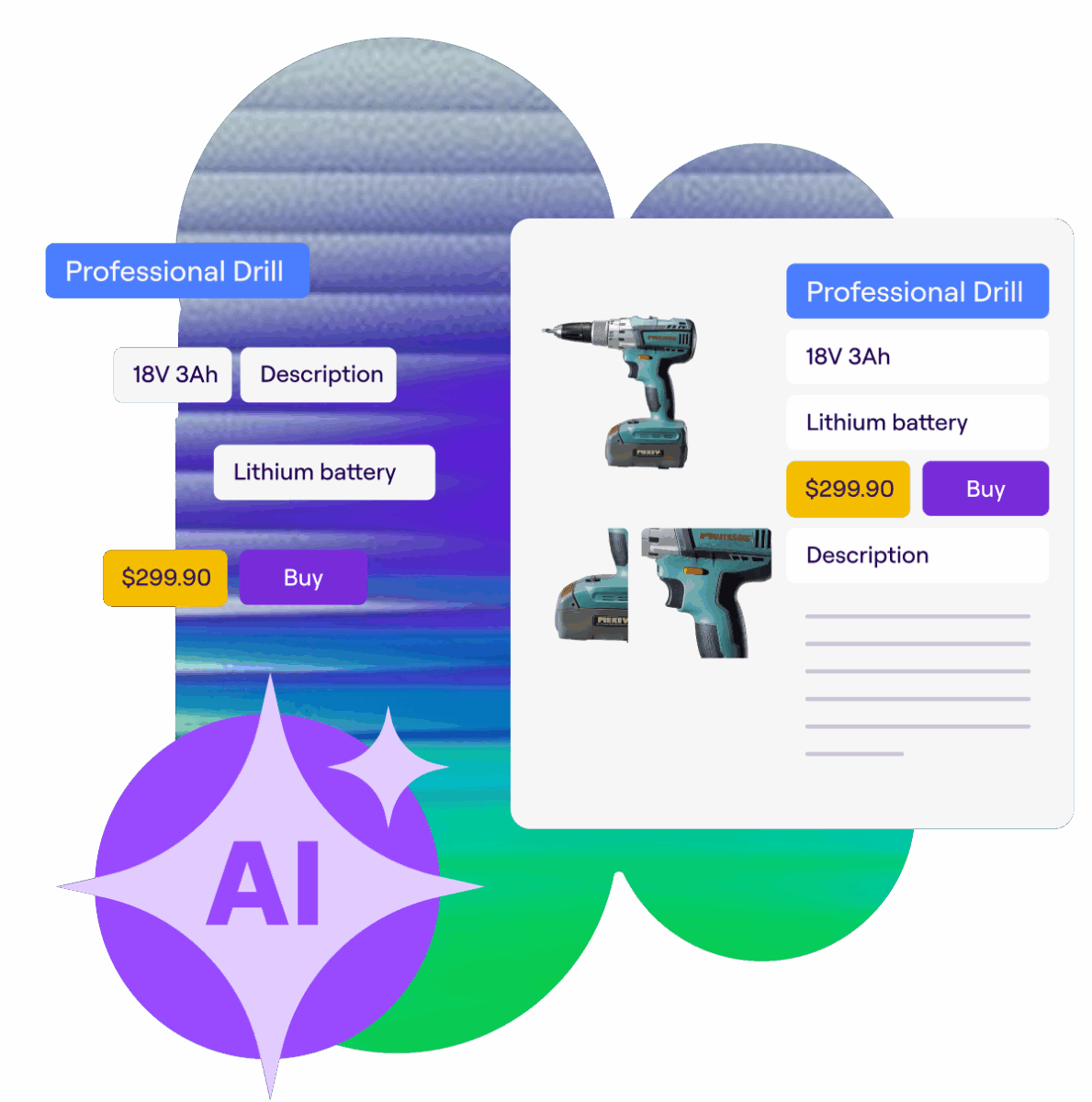
As AI reshapes B2B buying, wholesale distributors have a chance to turn outdated processes into a competitive advantage by modernizing search, product discovery, and purchasing. Discover the practical strategies that help distributors improve operational efficiency, empower their teams, and create the seamless buying experiences today's customers expect.

Table of Contents
Keywords
Historically, wholesale distribution has trailed behind other sectors in digital transformation, often relying on legacy systems that can feel daunting to upgrade. However, modernizing your tech stack does not have to be an overwhelming overhaul. By implementing artificial intelligence (AI), distribution executives can turn operational challenges into significant growth opportunities.
Advanced algorithms can transform the core pillars of your business, optimizing how products are searched, discovered, and purchased to meet the demands of today’s B2B buyers.
B2B buyers now expect the same frictionless search experiences they encounter in consumer retail. In 2025, 64% of B2B buyers were Millennials or Gen Z—digital natives seeking top-tier digital experiences. For wholesale distributors, this means upgrading static catalogs into dynamic, intuitive discovery platforms.
To effectively upgrade your search and discovery workflows, implement the following operational upgrades:
Beyond just fixing search bars, treat your platform’s search query data as a direct feedback loop from your customers. Regularly reviewing failed search analytics can reveal emerging market demands or pinpoint exact areas where you can refine your catalog taxonomy.
Procurement is the engine of wholesale distribution, and inefficiencies here impact your bottom line. By integrating predictive analytics and agentic commerce models into your purchasing workflows, you can replace reactive ordering with a proactive strategy. This shift automates complex decisions, drives revenue, and optimizes your overall market positioning.
Consider how intelligent tools can refine your procurement strategies:
To maximize the return on investment for these purchasing tools, sync your predictive forecasting data directly with your distributor marketing and promotions calendar. This integration ensures your sales teams highlight products that your system guarantees will be in stock, aligning demand generation with inventory reality.
Introducing new technology is only half the battle. The true challenge lies in change management. Executives must carefully guide their IT, operations, and sales personnel through this digital transition to ensure high adoption rates. Constructing an optimized tech stack that supports advanced analytics requires both operational shifts and targeted upskilling across departments.
Here is how you can help different departments navigate this digital integration:
Consider forming a committee of early AI adopters from IT, operations, and sales. This dedicated group can pilot new tools, document best practices, and champion the technology to their more hesitant peers, drastically reducing internal resistance.
Embracing AI fundamentally upgrades how wholesale distributors manage search, discovery, and purchasing. By standardizing data and empowering your teams with predictive insights, you create a frictionless experience that benefits both your buyers and your bottom line. As these technologies continue to evolve, regularly audit your tech stack and upskill your workforce to maintain your competitive edge.
Download the AEO playbook and learn how to make your products visible, trusted, and recommended in the era of AI commerce.