Black Friday and Cyber Monday are right around the corner, and shoppers are bringing more than just their wish lists. Armed with AI shopping assistants, price comparison tools, and higher expectations than ever, today's consumers aren't easily won over by a flashy discount. From getting products recommended by AI to building trust through accurate product information and delivering seamless omnichannel experiences, discover six key trends shaping the 2026 holiday shopping season.

Table of Contents
Keywords
Black Friday shopping used to be pretty straightforward.
You made a list, hunted down a few discounts, and tried not to get distracted by a suspiciously cheap television you absolutely didn’t need.
Now? You’ve got 17 browser tabs open, three competing discount codes, an AI assistant comparing product reviews, and a group chat debating whether that “limited-time deal” was actually cheaper last Tuesday.
Welcome to holiday shopping in 2026.
And while the shopping experience might look a little different these days, one thing hasn’t changed: there’s a whole lot of money up for grabs.
According to Adobe’s 2026 Holiday Shopping Forecast, U.S. online holiday spending is expected to reach a record $275.1 billion in November and December, with Cyber Monday alone projected to generate $15.1 billion.
But with shoppers becoming savvier, AI playing a bigger role in purchasing decisions, and the lines between online and offline shopping blurring, a flashy discount isn’t necessarily enough to seal the deal anymore.
So, before the holiday madness officially begins, let’s unwrap six trends shaping Black Friday and Cyber Monday 2026, and what brands can do to make sure they’re on shoppers’ nice lists.
Remember when holiday shopping officially kicked off the morning after Thanksgiving? Those days are long gone.
According to the National Retail Federation (NRF), 43% of holiday shoppers plan to begin browsing and buying before November. However, it seems like we haven’t completely abandoned tradition altogether; 64% say they’re still likely to wait until Thanksgiving weekend to complete most of their shopping.
In other words, the holiday season now has multiple starting lines.
How brands can prepare: Think beyond a single promotional weekend, and start earlier than you think you need to (like, yesterday). Refresh holiday product content early, coordinate promotional calendars, and ensure inventory information stays accurate as demand builds.
Pay attention to what shoppers are searching for and comparing before they purchase. Those early signals can help brands refine their product experiences ahead of the biggest shopping days.
What happens when a shopper asks an AI assistant for the best holiday gifts under $100, and your product doesn’t make the shortlist?
That’s becoming a very real concern for brands.
According to Adobe’s 2026 Holiday Shopping Forecast, traffic from AI-powered tools to U.S. retail websites is expected to increase by 130% this holiday season compared to last year. Meanwhile, Gartner research found that 34% of U.S. consumers are very or extremely willing to use generative AI for holiday gift recommendations.
For brands, getting your product to show up in traditional search engines is hard enough, but ensuring AI systems can understand what makes their products relevant, compare them accurately against alternatives, and confidently recommend them for specific needs is the real challenge these days.
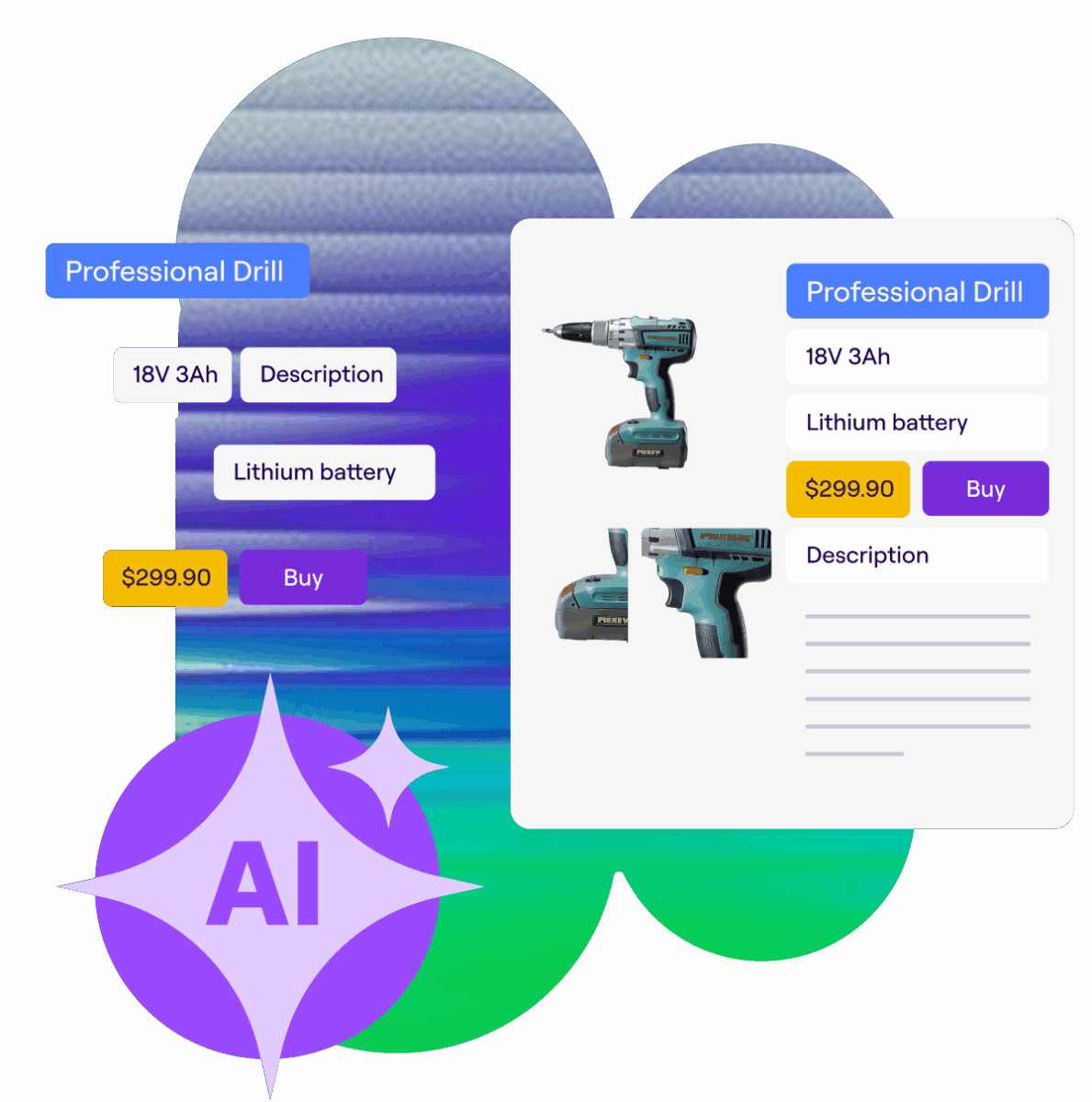
How brands can prepare: Invest in Answer Engine Optimization (AEO) by making product information structured, comprehensive, and accessible to AI-powered discovery tools. Go beyond basic descriptions to include detailed attributes, use cases, compatibility information, and verified product claims. After all, even the best Black Friday deal won’t matter if your product never makes it into the conversation.
Everyone loves a good deal, but today’s shoppers are becoming increasingly skeptical about what actually constitutes one.
Akeneo’s latest research found that 79% of consumers have delayed a purchase because they expected the price to drop, while 77% have noticed price differences for the same product across retailers or platforms.
Meanwhile, only 32% completely or mostly trust retailers to offer fair or competitive prices.
The takeaway? A discount might attract attention, but it doesn’t automatically earn trust.
How brands can prepare: Bring product data and pricing intelligence closer together. Ensure channel-specific prices, promotional terms, and product variations are accurately represented.
Just as importantly, communicate what makes a product worth purchasing, whether that’s durability, quality, features, warranties, or convenience.
A shopper discovers a product on TikTok, researches it through an AI assistant, compares prices on a marketplace, and eventually purchases it in-store.
Welcome to modern holiday shopping.
According to Salesforce’s 2026 holiday predictions, 28% of Gen Z shoppers plan to shop through social apps this holiday season. The same study also found that 79% of in-store shoppers use their phones while browsing.
The boundaries between online and offline shopping are becoming increasingly blurred.
How brands can prepare: Deliver consistent, accurate product information across every channel, from eCommerce sites and marketplaces to social platforms and physical stores. This includes everything from product descriptions and specifications to pricing, availability, and promotional messaging.
And consistency isn’t just about creating a seamless experience for shoppers; it’s becoming essential for AI discoverability. AI agents rely on trustworthy, authoritative product information to confidently recommend products. When they encounter conflicting specifications, inconsistent pricing, or contradictory descriptions across channels, it becomes harder to determine which information is reliable, making them less likely to cite or recommend your product.
After all, if an AI assistant can’t confidently figure out what you’re selling, why would it recommend it to someone else?
A great Black Friday discount might convince someone to make a purchase, but what happens when the product arrives and doesn’t quite live up to expectations?
Maybe that sweater runs two sizes too small, the headphones aren’t compatible with their device, or the product looks nothing like the photos online.
Suddenly, that fantastic holiday deal has turned into a frustrating return.
And it’s a surprisingly common problem. Last year, 69% of consumers returned a purchase made during a major deal event, with poor product quality, misleading imagery, and inaccurate descriptions among the reasons for dissatisfaction.
For brands, these returns don’t just eat into holiday profits; they can also undermine customer trust and make repeat purchases less likely.
How brands can prepare: Focus on helping customers make informed decisions before they buy. Provide accurate sizing guides, detailed specifications, realistic product imagery, compatibility information, and clear descriptions of what’s included in the purchase.
Encourage authentic customer reviews and address frequently asked questions directly on product pages. The more confidently customers can assess whether a product meets their needs, the less likely they are to experience buyer’s remorse.
Behind every successful holiday shopping experience is an enormous amount of coordination.
Supplier updates, promotional changes, product enrichment, localization, marketplace requirements, and inventory adjustments all need to happen quickly. AI agents can increasingly help teams identify missing information, recommend improvements, and accelerate repetitive workflows.
But speed without oversight creates its own problems.
That’s why Akeneo’s agentic Product Cloud emphasizes coordinated AI capabilities alongside human expertise and governance.
How brands can prepare: Establish clear product readiness standards, approval processes, and ownership of critical product information. Use customer questions, search behavior, channel feedback, and returns data to identify opportunities for continuous improvement.
Instead of treating product information as something to finalize before Black Friday, businesses should approach it as a living asset that evolves throughout the shopping season.
Between the endless browser tabs, mysterious discounts, and AI assistants weighing in on everything from winter coats to kitchen appliances, holiday shoppers have plenty to think about. The last thing they need is conflicting product information, inaccurate pricing, or a purchase that doesn’t live up to expectations.
For brands, Black Friday and Cyber Monday in 2026 and beyond success should be less about offering the biggest discounts or running the flashiest campaigns, and more about making products easy to discover, compare, trust, and purchase, whether someone’s browsing your website, scrolling through social media, or asking an AI assistant for recommendations.
The good news? You don’t need a crystal ball to prepare for the future of commerce. With accurate, comprehensive product information, connected channels, and the right AI-powered tools, you can deliver better shopping experiences long after the holiday decorations come down.
After all, the best holiday shopping experience is the one that leaves your customers confident they made the right purchase, and ready for some holiday cheer.
Download the AEO playbook and learn how to make your products visible, trusted, and recommended in the era of AI commerce.

 Release